
Dance
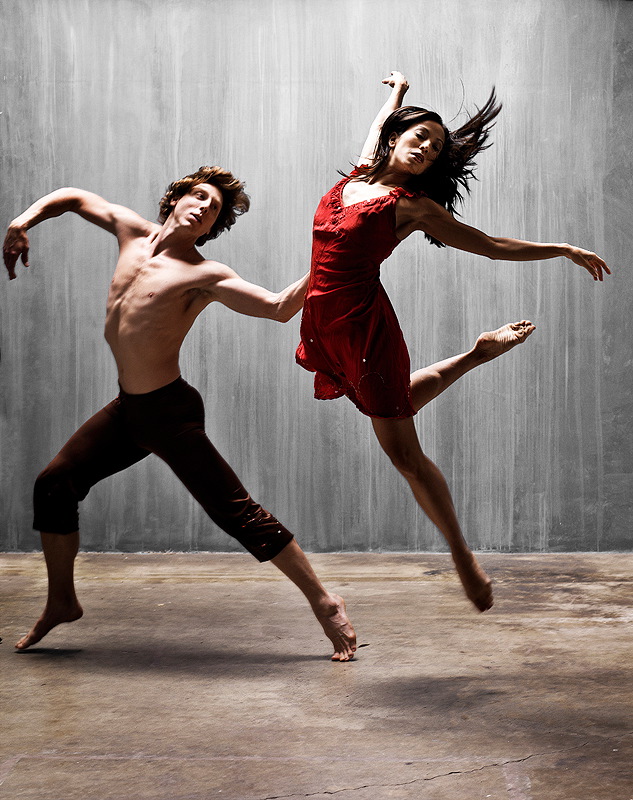
Credit: Barry Goyette from San Luis Obispo, USA · CC BY 2.0
Dance is the art of moving the body in rhythm, usually to music. People dance for many reasons. They dance to celebrate, to pray, to tell stories, to fall in love, and just to have fun. Almost every culture in the world has its own forms of dance, and people have been dancing for as long as there has been human history.
Scientists have found cave paintings of dancers from more than 9,000 years ago. Ancient Egyptians danced at funerals and festivals. Ancient Greeks danced as part of plays and worship. In some cultures, dance was so important that warriors danced before battle and farmers danced to ask for rain. Dance came before writing, and it may have come before spoken language too.
Different parts of the world grew different styles. Ballet started in Italy and France about 500 years ago, with dancers moving on the tips of their toes in soft slippers. Flamenco came from southern Spain, with sharp footwork and clapping hands. Bharatanatyam, a classical dance from India, uses tiny hand shapes called mudras to tell stories from old myths. Hula in Hawaii uses gentle hand and hip movements to act out the words of a chant. Hip-hop began in New York City in the 1970s, where kids invented breakdancing on cardboard in the streets.
A dancer's body is the instrument. Most dancers train for years to make their muscles strong and their movements smooth. Ballet dancers practice the same five foot positions thousands of times. Tap dancers wear shoes with metal plates that turn their feet into drums. Some dancers, like those in some African and Native American traditions, learn dances that have been passed down for many generations, step by step, from older dancers.
Dance is also one of the most social arts. People dance together at weddings, parties, and holidays. They form lines, circles, and pairs. Some dances need a partner. Some need a whole crowd moving the same way. Watching a hundred people do the same step at the same moment is part of why dance feels powerful.
Scientists who study the brain have noticed something interesting about dance. When people move in rhythm together, their brains release chemicals that make them feel close to each other. That may be one reason dance has stayed with humans for so long. It is a way of saying, without words, that we belong together.
Last updated 2026-04-26