
City (Life)
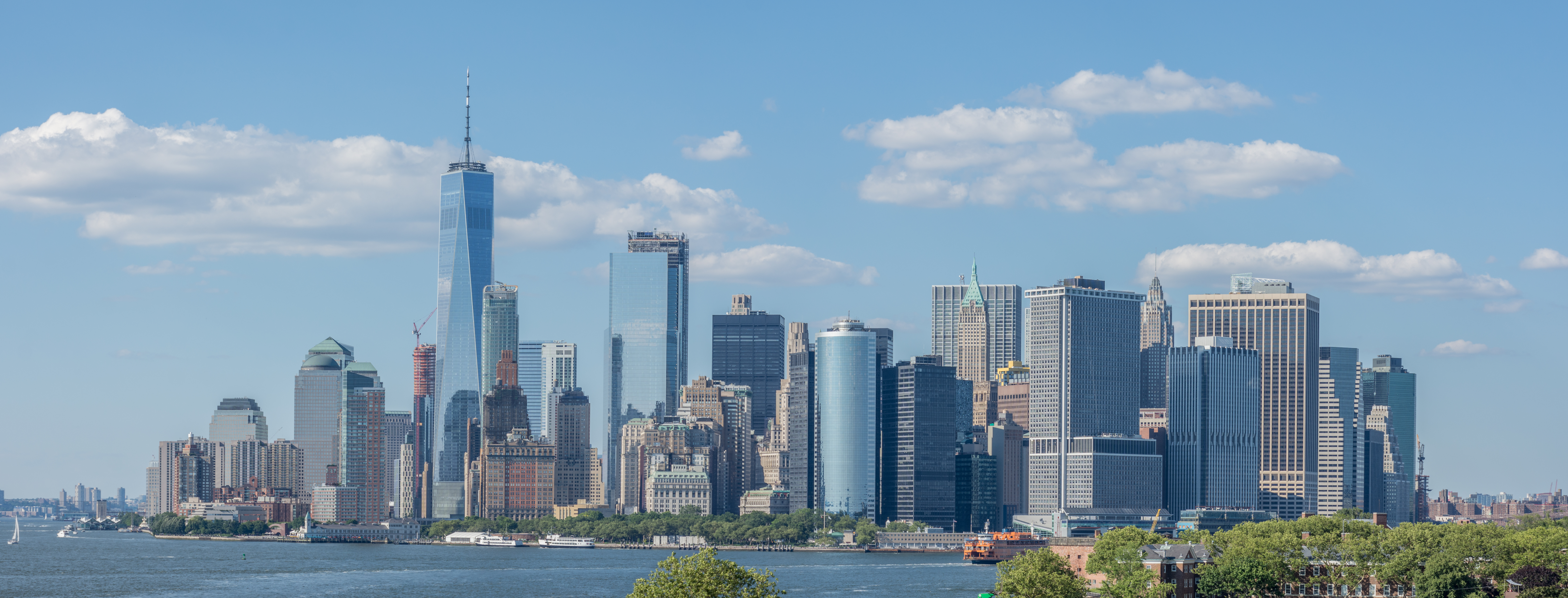
Credit: MusikAnimal · CC BY-SA 4.0
A city is a large place where many people live and work close together. Cities are bigger than towns and villages. They usually have tall buildings, busy streets, schools, hospitals, shops, and places to play. Most cities have at least 50,000 people. The biggest, like Tokyo, hold more than 30 million.
Cities are not new. The first ones were built about 6,000 years ago in Mesopotamia, near where Iraq is today. Back then, a city of 10,000 people felt huge. Today, that same number would barely fill a small neighborhood.
Life in a city is different from life in the countryside. Homes are closer together. Many people live in apartments stacked on top of each other instead of houses with yards. Stores, restaurants, and schools are usually within walking distance. People often ride buses, subways, or trains instead of driving everywhere. In some cities, like Amsterdam, more people travel by bicycle than by car.
Cities are noisy. Cars honk, sirens wail, trains rumble underground, and millions of voices fill the streets. They are also bright. Streetlights, signs, and apartment windows glow all night, so bright that you often cannot see the stars.
People come to cities for many reasons. Cities offer more jobs, more schools, and more kinds of food, music, and art. A kid in a city might hear ten different languages on the way to school. They might eat tacos for lunch and dumplings for dinner. Big museums, concert halls, sports stadiums, and parks are usually in or near cities too.
City life can be hard, though. Apartments cost a lot. Streets get crowded. Air pollution from cars and factories can hurt people's lungs. Some neighborhoods have plenty of parks and clean water, while others nearby do not. City planners, the people who design how cities grow, work on these problems. They add bike lanes, plant trees, build parks, and try to make space for everyone.
Cities are growing fast. In 1800, only about 1 in 20 people lived in a city. By 2007, more than half of all humans did. The United Nations expects nearly 7 in 10 people to live in cities by 2050. That means today's kids will help decide what those cities look like, how they move people around, and how they share space with the rivers, animals, and forests around them.
Last updated 2026-04-26