
Halloween
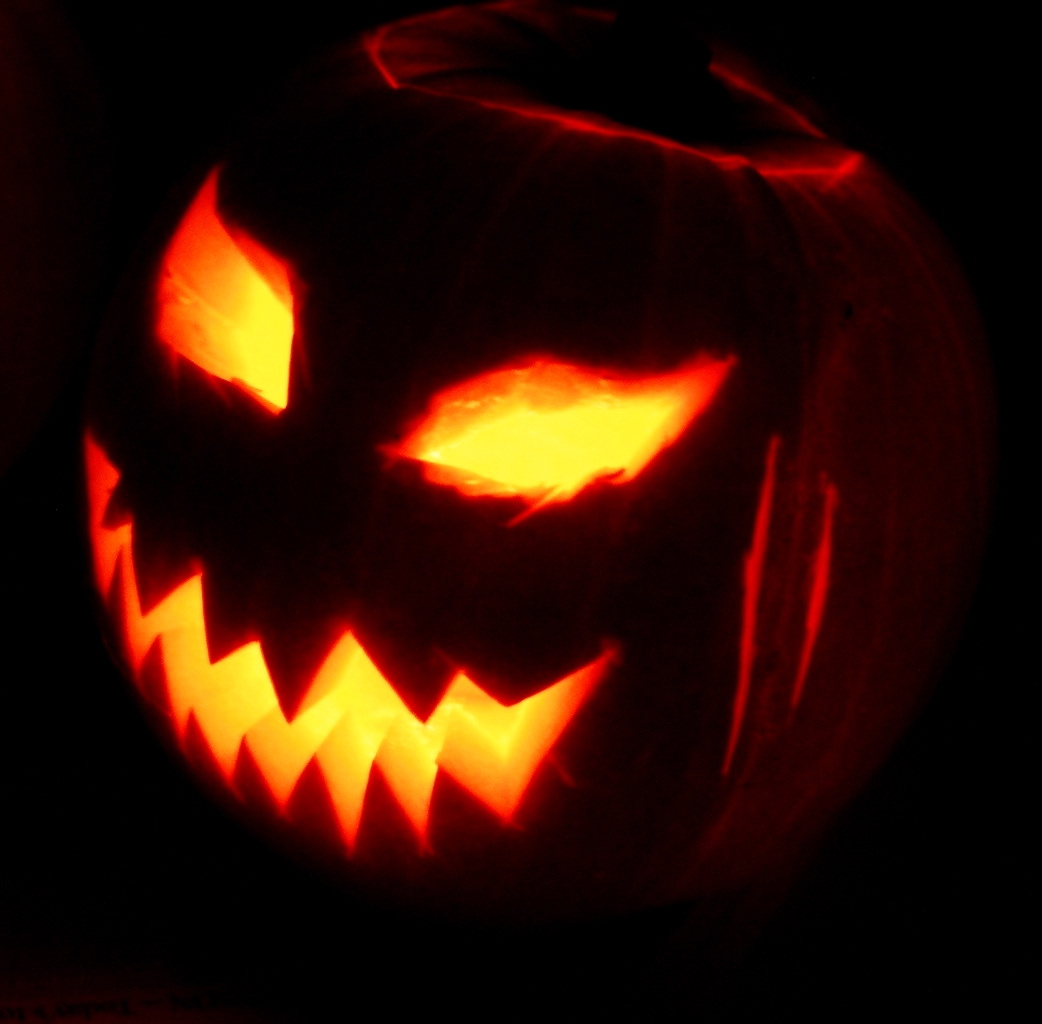
Credit: Toby Ord · CC BY-SA 2.5
Halloween is a holiday celebrated every year on October 31. It is best known for costumes, jack-o'-lanterns, and trick-or-treating. The holiday is most popular in the United States, Canada, Ireland, and the United Kingdom, but people in many other countries celebrate too. The name comes from "All Hallows' Eve," which means the night before All Hallows' Day, an old Christian holiday for honoring the dead.
The roots of Halloween go back more than 2,000 years to an ancient Celtic festival called Samhain (pronounced SAH-win). The Celts lived in what is now Ireland, Scotland, and parts of France. They celebrated Samhain on the night of October 31 to mark the end of harvest and the start of winter. They believed that on this one night, the line between the living world and the world of the dead became thin. Ghosts could cross over. People lit huge bonfires and wore costumes made of animal skins to confuse any spirits that might be wandering around.
Later, Christian leaders set All Saints' Day on November 1 and All Souls' Day on November 2. Many old Samhain customs blended into these new holidays. The night before became All Hallows' Eve, and over hundreds of years that name shortened into Halloween.
Irish and Scottish families brought the holiday to America in the 1800s. They also brought the jack-o'-lantern. The original Irish version was carved from a turnip, not a pumpkin. The story goes that a man named Stingy Jack tricked the Devil and was doomed to wander the Earth with only a glowing coal inside a hollow turnip to light his way. When Irish families reached America, they found that pumpkins were bigger, easier to carve, and grew everywhere.
Trick-or-treating became common in the United States in the 1930s and 1940s. The custom may come from an older European tradition called "souling," in which poor people went door to door on All Souls' Day asking for small cakes in exchange for prayers.
Many countries have their own ways of remembering the dead around this time of year. In Mexico, families celebrate Día de los Muertos, the Day of the Dead, on November 1 and 2. They build colorful altars with photos, marigolds, and favorite foods of relatives who have died. The two holidays are not the same, but they share old roots in the same season.
Today Halloween is mostly about fun. Kids dress up, neighbors hand out candy, and houses fill with paper bats and plastic spiders for one strange night a year.
Related
Last updated 2026-04-26