
Rain
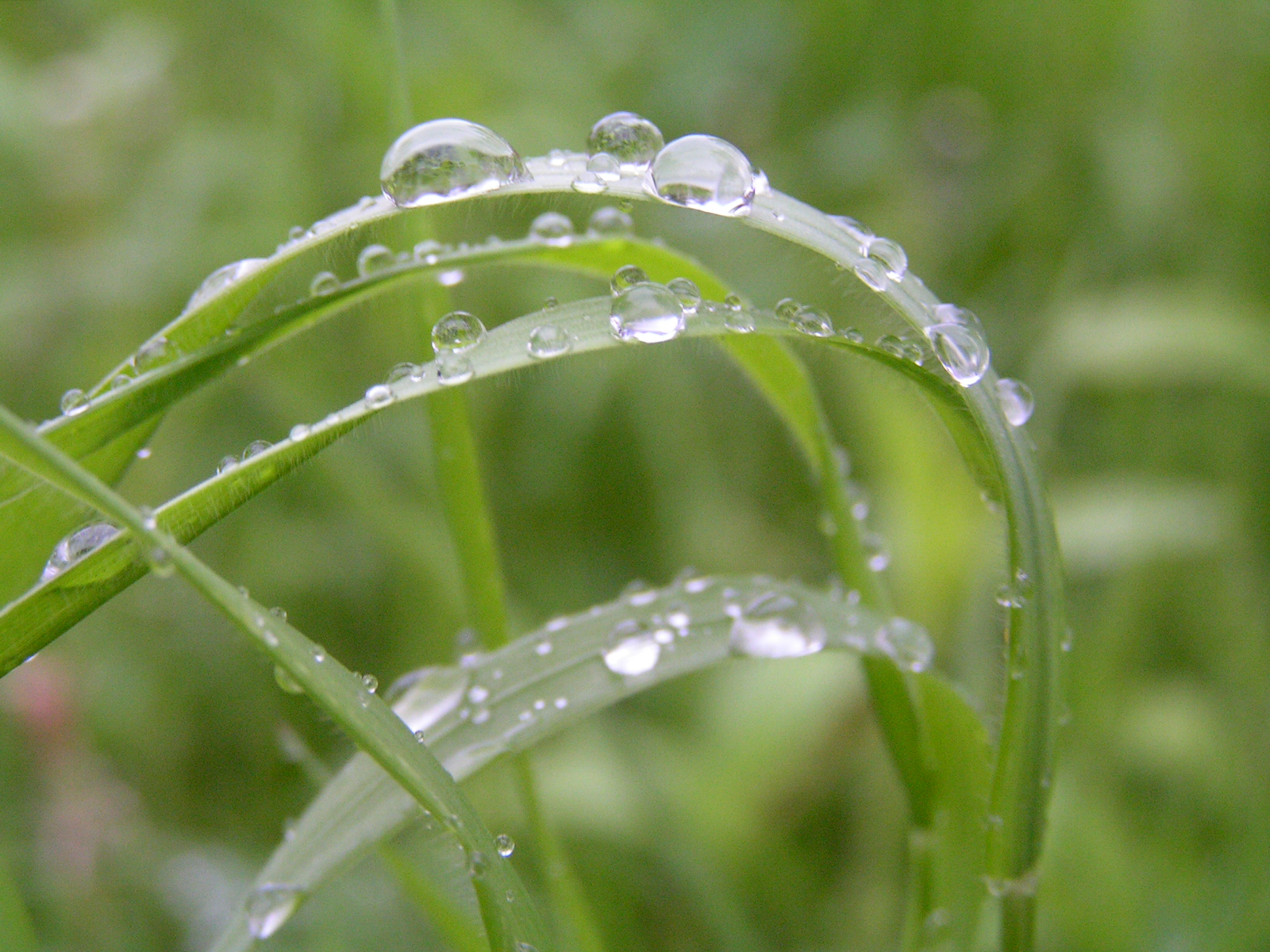
Credit: Wikimedia Commons · CC BY-SA 3.0
Rain is water that falls from clouds to the ground in liquid drops. It is one of the main ways that water moves between the sky and the surface of Earth. Without rain, there would be no rivers, no lakes, no forests, and no crops. Rain happens almost everywhere on Earth, though some places get much more of it than others.
Rain begins inside clouds. A cloud is made of millions of tiny water droplets and ice crystals floating in the air. These droplets are so small that the wind holds them up. As the droplets bump into each other, they stick together and grow. When a drop gets heavy enough, gravity pulls it down. If the air below the cloud is warm, the drop falls as rain. If the air is cold enough, it falls as snow, sleet, or hail instead.
A typical raindrop is about the size of a small bug, around 2 millimeters across. The biggest raindrops can grow to about 5 millimeters before they break apart on the way down. Small drops fall slowly, but a large drop can hit the ground at about 20 miles per hour, the speed of a fast bicycle.
Rain is part of a bigger pattern called the water cycle. The Sun heats water in oceans, lakes, and rivers. Some of that water turns into a gas called water vapor and rises into the sky. Up there, the air is colder, so the vapor cools and turns back into tiny droplets. Those droplets form clouds. The clouds release the water as rain. The rain flows back into rivers and oceans, and the cycle starts again.
Different places get very different amounts of rain. The town of Mawsynram, in northeast India, gets about 467 inches of rain each year. That is enough water to cover a one-story house. The Atacama Desert in Chile is the opposite. Some weather stations there have never recorded a single drop of rain.
Too little rain causes drought, which can kill crops and dry up wells. Too much rain causes floods, which can wash away soil and damage homes. Farmers, scientists, and city planners watch rainfall closely for these reasons.
Rain also does quiet, beautiful things. It cleans dust out of the air. It feeds the roots of every tree in every forest. After a storm, sunlight passing through leftover drops can split into colors and form a rainbow across the sky.
Related
Last updated 2026-04-25