
Martin Luther
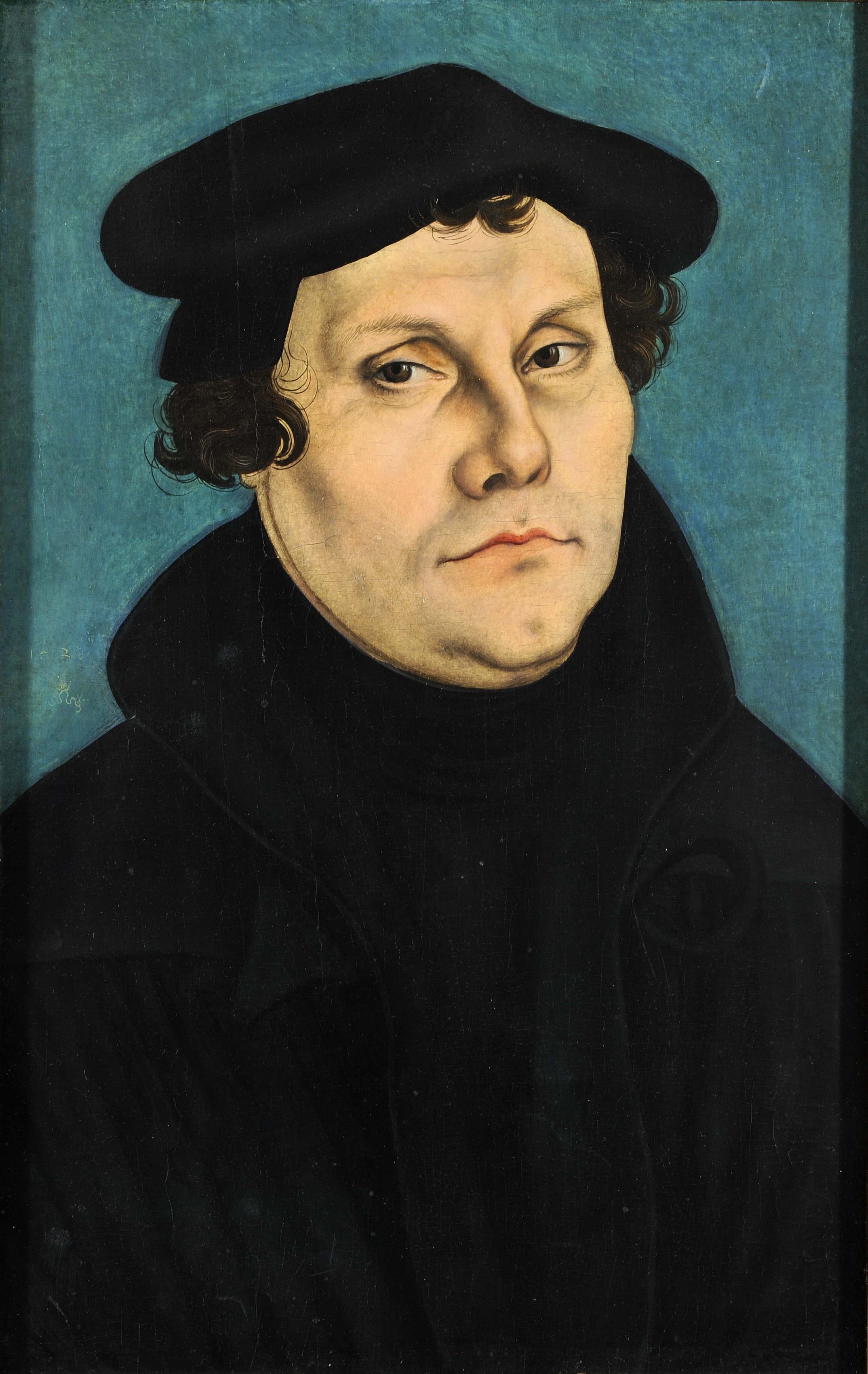
Credit: Lucas Cranach the Elder · Public domain
Martin Luther was a German monk and teacher who started the Protestant Reformation. He lived from 1483 to 1546. His protest against the Catholic Church split Christianity in western Europe into two branches. It changed religion, government, and even the German language.
Luther grew up in a small town in Germany. His father wanted him to be a lawyer. Then, in 1505, Luther was caught in a fierce thunderstorm. He was so scared that he promised to become a monk if he lived. He kept his word.
In those days, nearly everyone in western Europe belonged to the Catholic Church. The Church was rich and powerful. One way it raised money troubled Luther. Church workers sold papers called indulgences. People were told that buying one would shorten the punishment for their sins after death. Luther thought this was wrong. He believed God's forgiveness could not be bought.
In 1517, Luther wrote a list of 95 arguments against the practice. They are known as the Ninety-five Theses. A famous story says he nailed the list to a church door in the town of Wittenberg. Historians are not sure that part really happened. He may only have mailed it to a bishop. Either way, the list did not stay quiet. The printing press was still a new invention. Printers made copies, and within weeks people all over Germany were reading Luther's words.
Church leaders ordered Luther to take it all back. In 1521, he stood before the emperor and refused. He was declared an outlaw, which meant anyone could harm him without being punished. Friends hid him in a castle. While he hid, he translated the New Testament of the Bible from Greek into German. He finished in about eleven weeks. For the first time, ordinary Germans could read the Bible for themselves.
Luther's followers formed new churches. They came to be called Protestants, because they protested. Europe divided, and wars over religion went on for more than 100 years.
Luther was not always admirable. He could be harsh toward people who disagreed with him. Late in his life he wrote hateful things about Jewish people. Lutheran churches today reject those writings.
His ideas outlasted him. Today about 900 million people belong to Protestant churches. That is more than twice the number of people who live in the United States. It began with one monk who would not take back what he wrote.
Related
Last updated 2026-11-25