
Carbohydrates
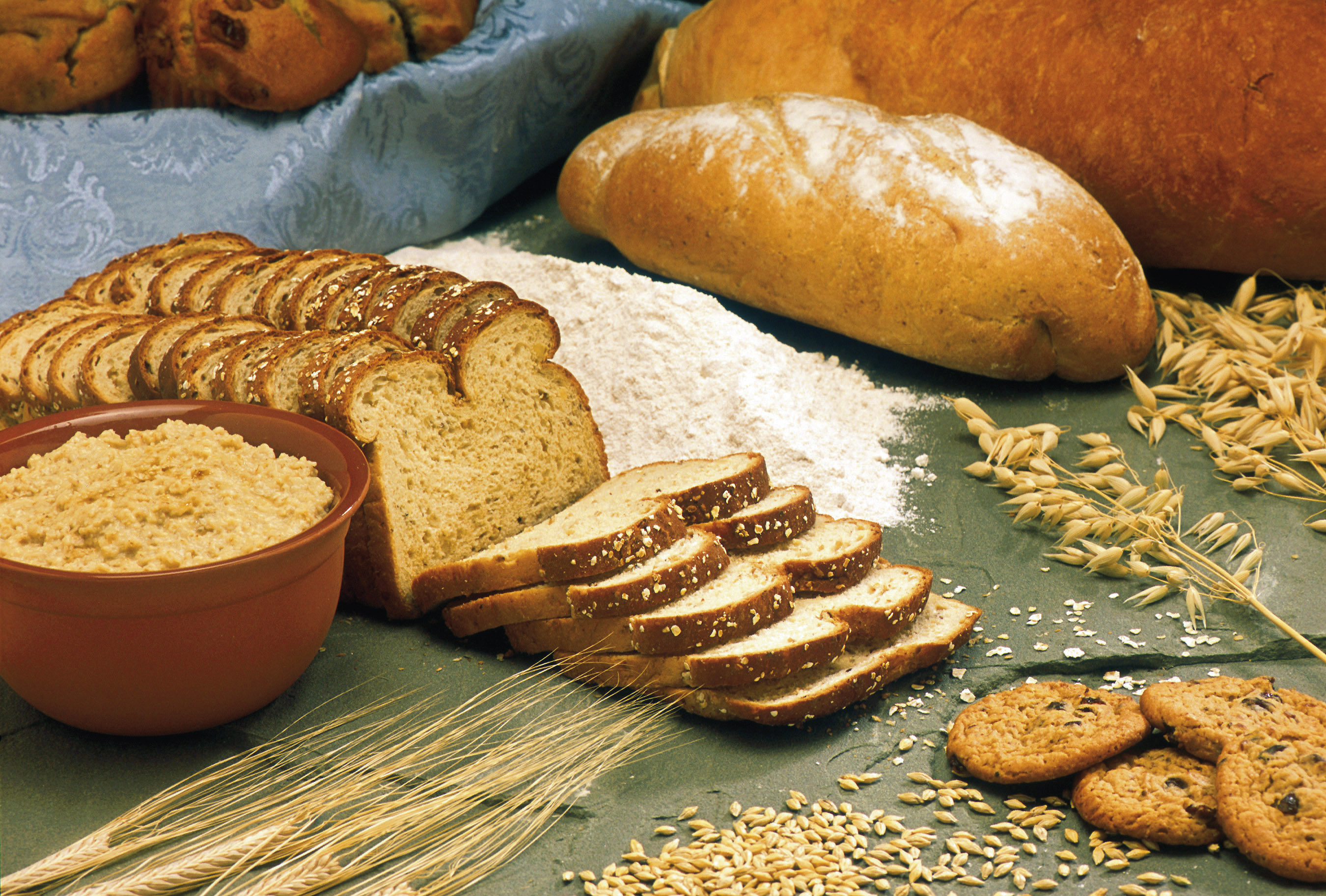
Credit: Peggy Greb, USDA ARS · Public domain
Carbohydrates are a kind of food that gives your body energy. They are one of three main groups of nutrients, along with proteins and fats. Almost all carbohydrates come from plants. Bread, rice, pasta, fruit, beans, potatoes, and milk all contain carbohydrates. People often shorten the word to "carbs."
Inside your body, carbohydrates get broken down into a simple sugar called glucose. Glucose travels through your blood to every cell. Cells use it as fuel the way a car uses gasoline. Your brain, your muscles, and even your heart all run on glucose.
There are two main kinds of carbohydrates: simple and complex. Simple carbohydrates are sugars. They have small molecules, so your body can break them down quickly. Fruit, milk, honey, and candy all contain simple sugars. Complex carbohydrates have much longer chains of sugar molecules linked together. Bread, oatmeal, beans, and potatoes have complex carbohydrates. Your body takes longer to break these down, so the energy lasts longer.
Plants make carbohydrates through photosynthesis. They use sunlight to combine water and carbon dioxide into sugar. When you eat a piece of bread, the energy in it started out as sunlight on a wheat field. That same sunlight powers your body when you run or think.
Fiber is a special kind of complex carbohydrate. Your body cannot fully digest it. Instead of giving you energy, fiber moves through your digestive system and helps it work smoothly. Fruits, vegetables, beans, and whole grains are full of fiber. Foods made from white flour and white sugar have very little.
Doctors often suggest getting about half of your daily energy from carbohydrates. The kind matters a lot. Whole grains, fruit, vegetables, and beans give you steady energy and many vitamins. Sugary drinks and candy give you a quick burst, then leave you tired and hungry again soon after.
What happens if you eat more carbohydrates than your body needs right away? Your body stores some of the extra glucose in your liver and muscles in a form called glycogen. If those storage spots fill up, your body turns the rest into fat. This is one reason nutrition scientists still argue about exactly how many carbohydrates people should eat. Some say a lot, some say very few. Most agree that the type of carbohydrate matters more than the amount.
The next time you eat an apple or a slice of bread, you are eating stored sunshine.
Related
Last updated 2026-04-25