
Black Panther Party
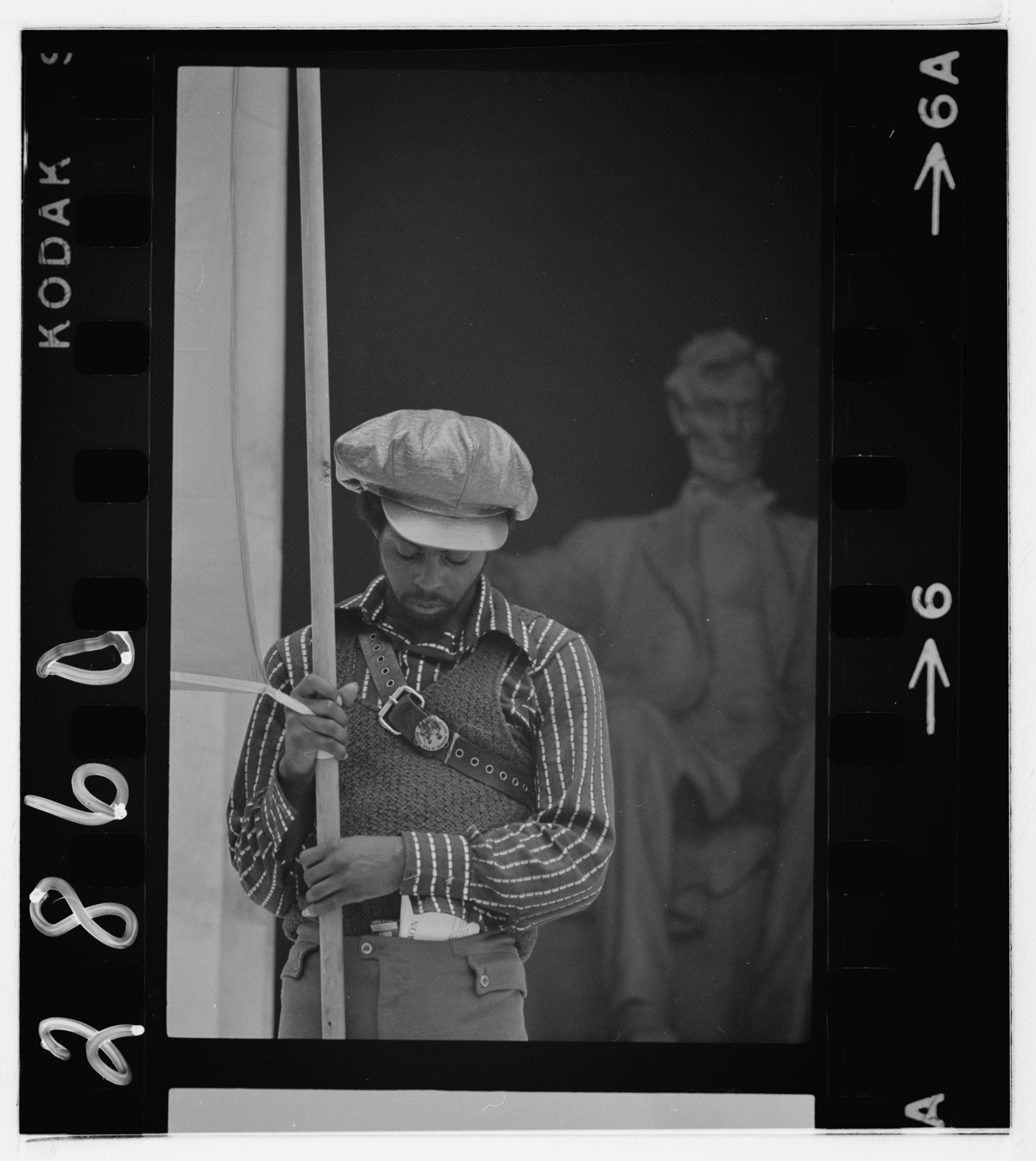
Credit: O'Halloran, Thomas J., photographer.; Leffler, Warren K., photographer. For US News and World Report. · Public domain
The Black Panther Party was a political group founded by Black Americans in Oakland, California, in 1966. It worked for the rights and safety of Black communities. It lasted until 1982. People still argue about what it did and what it meant.
Two college students, Huey Newton and Bobby Seale, started the party. By 1966, the civil rights movement had won new laws against unfair treatment. But life in many Black neighborhoods had not changed much. Jobs were scarce, housing was poor, and many people feared the police. Newton and Seale believed that marches were not enough.
Their first project was to watch the police. Members followed police cars through Oakland. When officers stopped a Black driver, the Panthers stood nearby and watched. They carried law books. They also carried guns, which was legal in California at that time. The sight of young Black men and women with rifles shocked many Americans. Members wore black berets and black leather jackets, and photos of them spread across the country.
The party wrote a list of ten demands. It asked for jobs, decent housing, good schools, and an end to police violence. Chapters opened in dozens of cities.
The Panthers also ran programs to help their neighbors. The best known was a free breakfast for children. Volunteers cooked eggs, grits, and toast in church kitchens before school. By the end of 1969, the program fed about 20,000 children a day. The party opened free health clinics too. It tested people for sickle cell disease, an illness that mostly strikes Black Americans.
The United States government saw the party as a danger. The head of the FBI called it the greatest threat to the country's safety. The FBI spied on members and worked in secret to turn them against each other. There were gunfights between Panthers and police, and people on both sides were killed. Some members were sent to prison for violent crimes. Others were jailed and later found to be innocent. By the mid-1970s the party was shrinking fast.
So how should the party be remembered? Americans disagree. Some remember the guns and the violence. Others remember the breakfasts and the clinics, and the pride the party gave to people who felt ignored. Historians say both pictures are true. One of the party's ideas reached far beyond it. The breakfasts helped push the United States government to widen its own school breakfast program. Today that program feeds millions of children every morning.
Related
Last updated 2026-11-25