
Censorship
Credit: Mutant669 · CC BY-SA 3.0
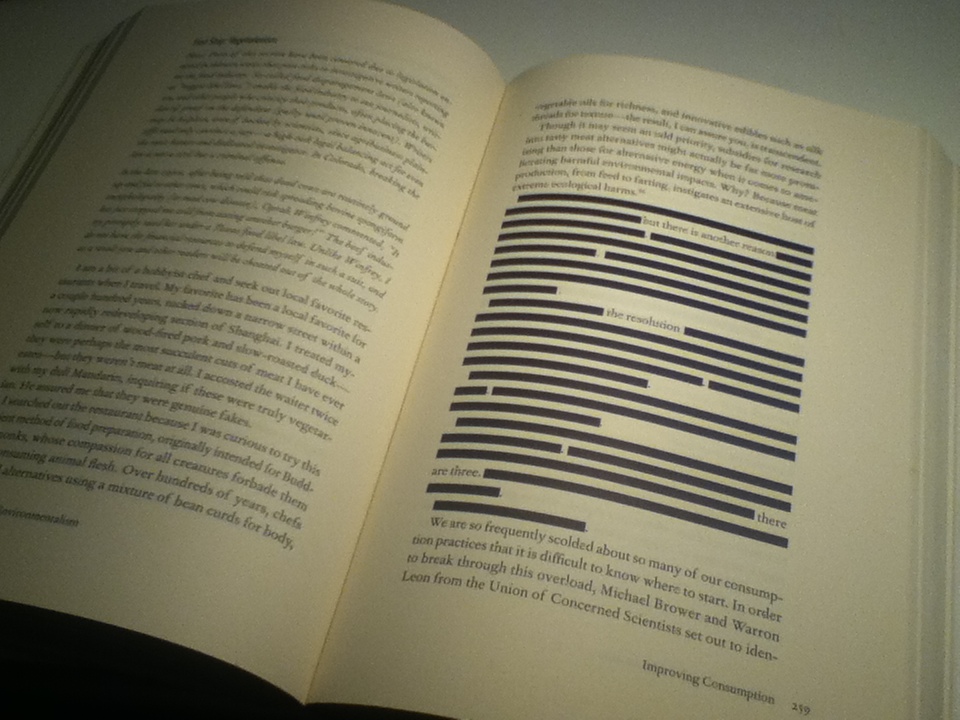
Censorship is the act of stopping people from saying, writing, reading, or seeing something. The person or group that does the stopping is called a censor. Governments have been the biggest censors in history. Churches, schools, and companies have done it too.
Censorship is very old. About 2,200 years ago, the first emperor of China ordered most books in the land burned. He wanted people to forget the ideas of the past. In Europe, the Catholic Church kept a list of banned books for about 400 years. One book on it argued that Earth moves around the Sun. In 1933, the Nazis in Germany held huge bonfires and burned books by Jewish authors and other writers they hated.
Why do rulers censor? Mostly to keep power. A leader who controls what people read can hide mistakes and silence critics. That is why dictators so often shut down newspapers. Today some governments block websites or search results. Some watch what people post and punish those who complain.
In the United States, the government is not allowed to do this. The First Amendment to the Constitution, added in 1791, protects freedom of speech and freedom of the press. Americans can criticize the president without being arrested. There are a few limits. Threats are not protected, and neither are lies that ruin a person's good name.
Not all censorship comes from governments, and not all of it is easy to judge. Movies get ratings so parents know what is in them. TV channels bleep out swear words. Schools choose which books go on library shelves. In the early 2000s, the Harry Potter books were among the books people most often asked American libraries to remove. Some parents believed the stories taught witchcraft.
This is where people disagree. Almost everyone thinks young children should be kept from some things. But who should decide, and where is the line? One parent's careful choice can look like censorship to another family. These arguments happen in towns across the country every year.
There is an odd pattern in the history of censorship. Banning something often makes people want it more. Books that were burned became famous. Songs that were kept off the radio sold millions of copies. Ideas turn out to be very hard to lock away.
Related
Last updated 2026-11-25