
Nationalism
Credit: Damzow · CC BY-SA 3.0
Nationalism is a strong feeling of loyalty to one's nation. It also includes the belief that each nation should have its own country and rule itself. A nation is a large group of people who feel they belong together. They may share a language, a history, a homeland, or a set of ideas.
Nationalism feels natural today, but it is a fairly new idea. For most of history, people were loyal to a king, a village, or a religion. A farmer in France in 1400 did not think of himself as French. He thought of his village and his lord. That began to change in the late 1700s. The American and French revolutions spread the idea that a country belongs to its people, not to a king.
In the 1800s, nationalism redrew the map of Europe. Dozens of small states that shared the German language joined to form Germany in 1871. Italy came together in much the same way. In the 1900s, the idea spread around the world. People in colonies ruled by Britain, France, and other empires said they were nations too. India won its freedom in 1947. Dozens of countries in Africa and Asia followed.
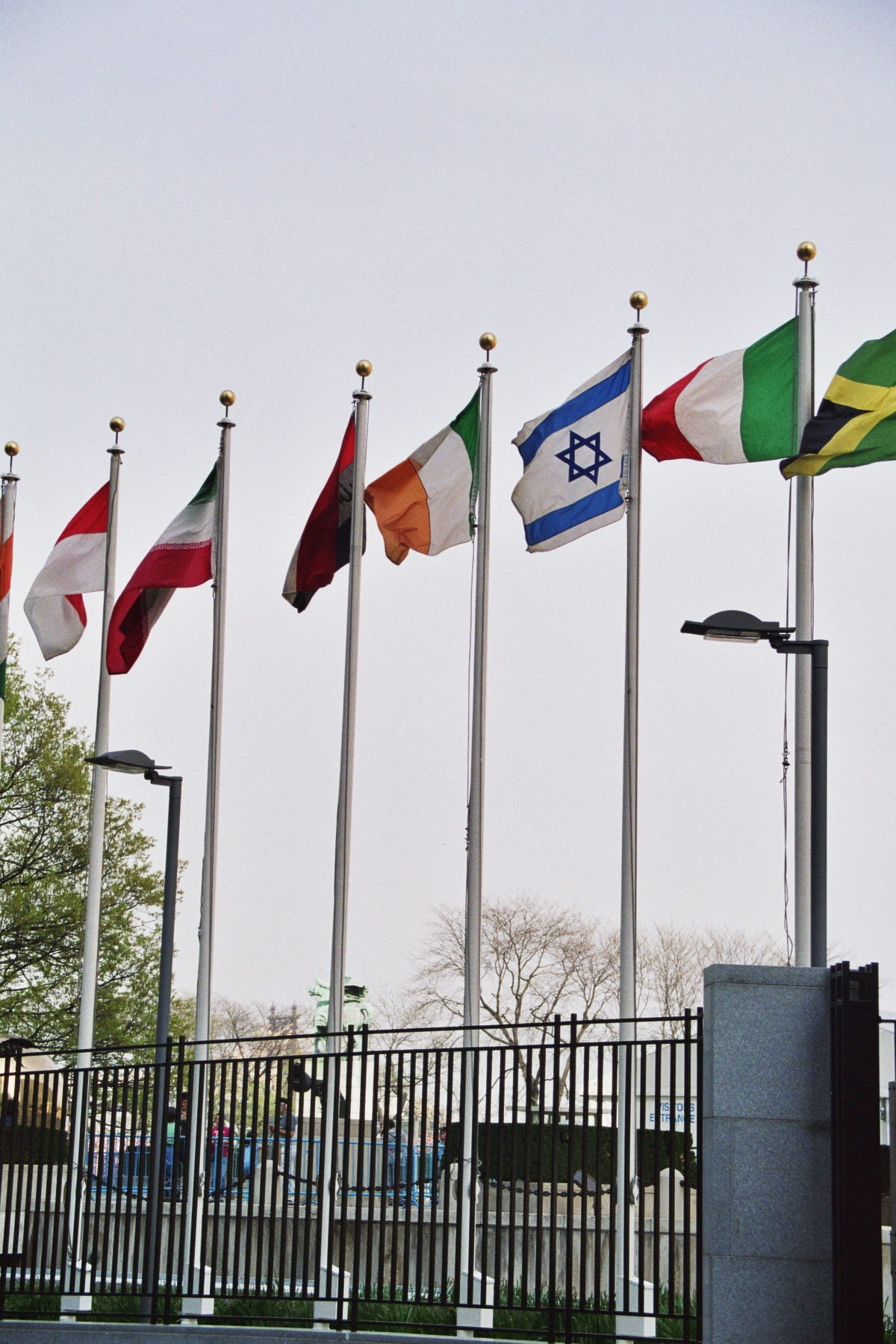
You can see nationalism at work in everyday things. Flags, national songs, and holidays all come from it. So does the cheering when your country wins a gold medal.
Nationalism has a dark side as well. Loving your country can turn into believing it is better than all others. It can turn into hating people who seem not to belong. Rivalry among proud nations helped start World War I in 1914. In the 1930s, leaders in Germany, Italy, and Japan pushed an extreme form of nationalism. That led to World War II, the deadliest war in history.
So is nationalism good or bad? Historians do not agree. Some say it has freed millions of people from empires and given them a voice. Others say it has caused more wars than any other idea of the last 200 years. Many use two different words. They call love of country patriotism. They save the word nationalism for the belief that one's country comes before everyone else's.
What is certain is its power. Today the world is split into almost 200 countries. Most of their borders, flags, and names did not exist 250 years ago. Nationalism drew that map.
Related
Last updated 2026-11-25