
Qing Dynasty
Credit: Pixelflake · CC BY-SA 3.0
The Qing Dynasty was the last royal family to rule China. It lasted from 1644 to 1912, almost 270 years. The Qing rulers were not Han Chinese, the largest group in China. They came from a people called the Manchus, who lived in the cold lands northeast of China. After they took power, they ruled over more than 100 times their own number.
The dynasty began when the older Ming Dynasty fell apart from rebellions and hunger. A Ming general opened the gates of the Great Wall to the Manchus, hoping they would help crush the rebels. They did. Then they kept the country for themselves. Their young leader became the first Qing emperor in Beijing.
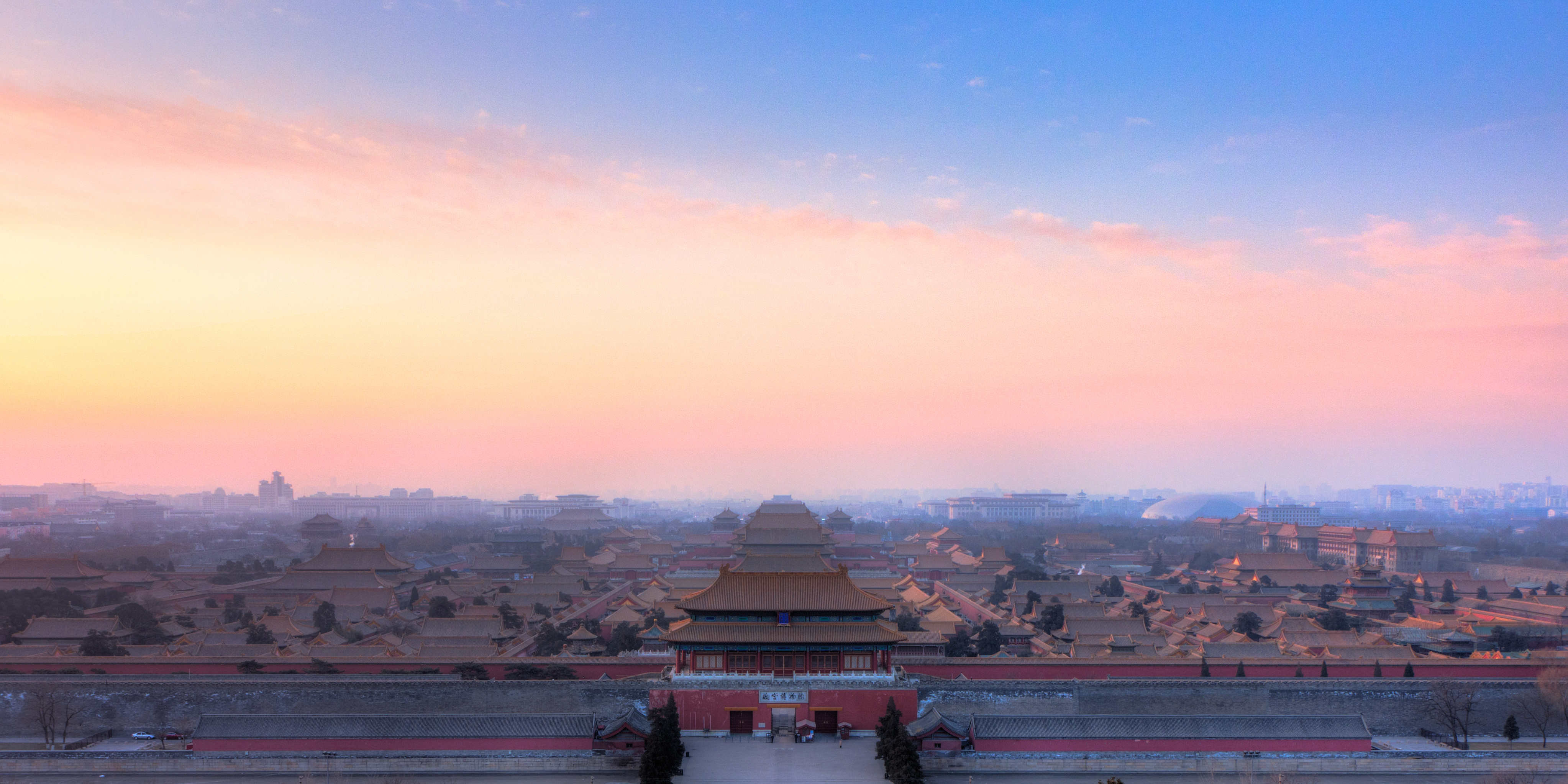
Under the Qing, China grew to its largest size ever. The empire stretched from Mongolia in the north to the jungles near Vietnam in the south, and from the Pacific coast to the deserts of Central Asia. By 1800, about one in three people on Earth lived under Qing rule. The capital was Beijing, and the emperor lived in the Forbidden City, a palace with nearly 1,000 buildings inside high red walls.
Two emperors made the dynasty famous. Kangxi ruled for 61 years and crushed many rebellions. His grandson Qianlong ruled for 60 years and collected art, poetry, and books from across the empire. During their reigns, Chinese tea, silk, and porcelain were sold all over the world.
Then trouble came. In the 1800s, Britain wanted Chinese tea but had little to trade for it. British merchants began selling opium, a powerful and addictive drug, to people in China. When Qing officials tried to stop the trade, Britain attacked. China lost the Opium Wars and was forced to give up Hong Kong and open its ports. Other foreign countries took advantage too. Inside China, huge rebellions killed tens of millions of people. The Taiping Rebellion alone may have killed more people than World War I.
The dynasty never recovered. In 1908, a two-year-old boy named Puyi became emperor. Three years later, revolutionaries overthrew him. China became a republic in 1912, ending more than 2,000 years of rule by emperors. Puyi grew up inside the Forbidden City for a while, then lived an unusual life as a puppet ruler under Japan and later as a prisoner and gardener under the Communist government.
Historians still debate the Qing. Some see a strong empire ruined by foreign attacks. Others see a government that fell behind a fast-changing world.
Related
Last updated 2026-04-26