
Museum
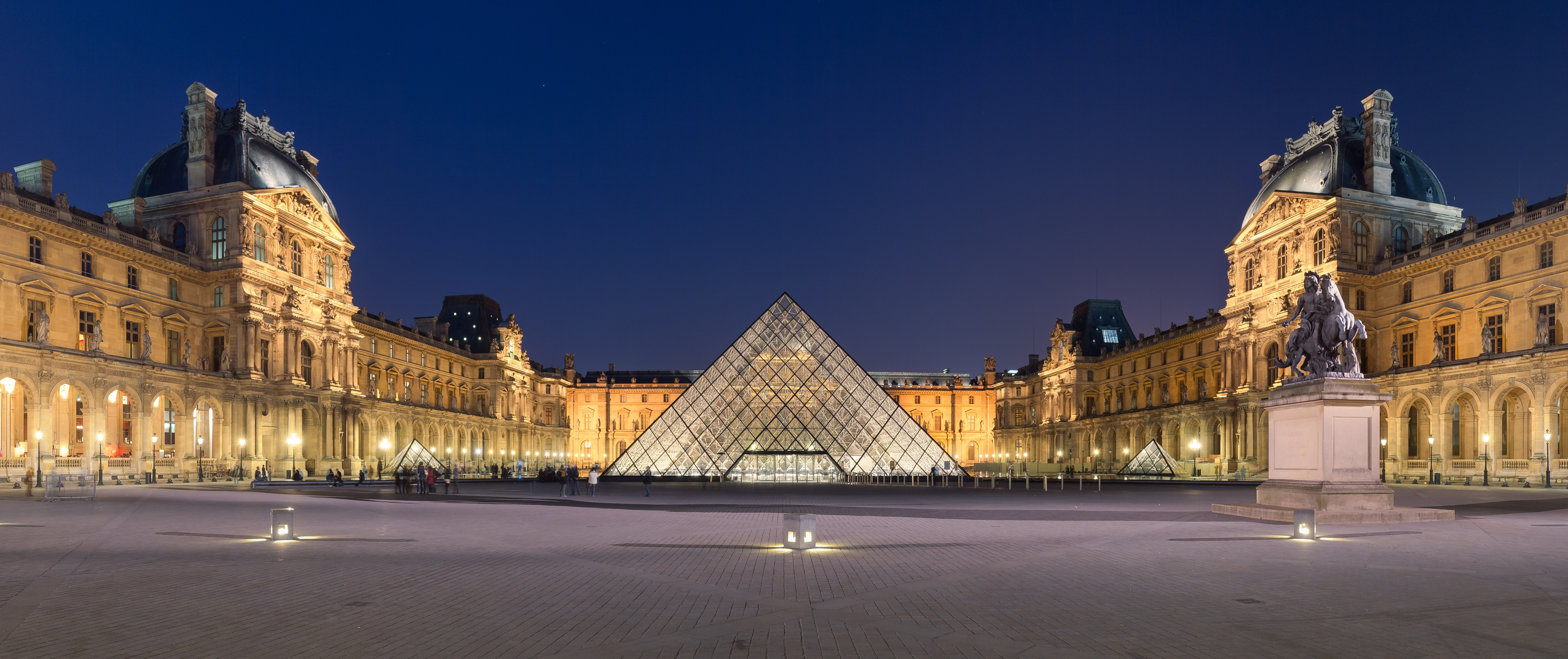
Credit: Benh LIEU SONG (Flickr) · CC BY-SA 3.0
A museum is a building where objects of art, history, or science are kept and shown to the public. Some museums display paintings and sculptures. Others show dinosaur bones, old machines, spaceships, or treasures from ancient civilizations. Most museums let people walk through rooms filled with these objects, often with labels that explain what each one is.
The word "museum" comes from the ancient Greek word mouseion, which meant "a place for the Muses." The Muses were nine goddesses of art and learning. The most famous mouseion was in Egypt, in the city of Alexandria, more than 2,000 years ago. It was part library, part research center, and part collection of strange and beautiful objects.
For most of history, only kings, popes, and rich families owned big collections. Regular people could not see them. That changed in the 1700s and 1800s, when many countries opened public museums. The British Museum opened in London in 1759. The Louvre in Paris opened in 1793, right after the French Revolution. Suddenly, ordinary visitors could walk in and see treasures that used to be locked away in palaces.
Museums come in many kinds. Art museums show paintings, drawings, and sculptures. Natural history museums show fossils, animals, and rocks. Science museums let visitors press buttons, build things, and try experiments. History museums tell the story of a place or a people. There are also museums for trains, dolls, pizza, and even bad art.
Behind the scenes, museums do more than just put things on display. Workers called curators choose what to show and how to arrange it. Scientists study the objects to learn new things. Other workers, called conservators, repair old paintings, clean ancient bones, and protect fragile items from light, dust, and bugs. Most museums actually display only a small part of what they own. The rest sits in storage rooms, sometimes for decades.
Museums also raise hard questions. Some objects in famous museums were taken from other countries during wars or colonial times. Greece has been asking Britain for over 200 years to return the marble carvings taken from the Parthenon. Many African nations want their stolen art back too. Museums today are debating which objects belong where, and who has the right to tell whose story.
A museum is, in the end, a kind of time machine. You can stand five feet from a painting made 500 years ago, or a tooth from a creature that lived 70 million years before humans existed.
Related
Last updated 2026-04-26