
Vladimir Lenin
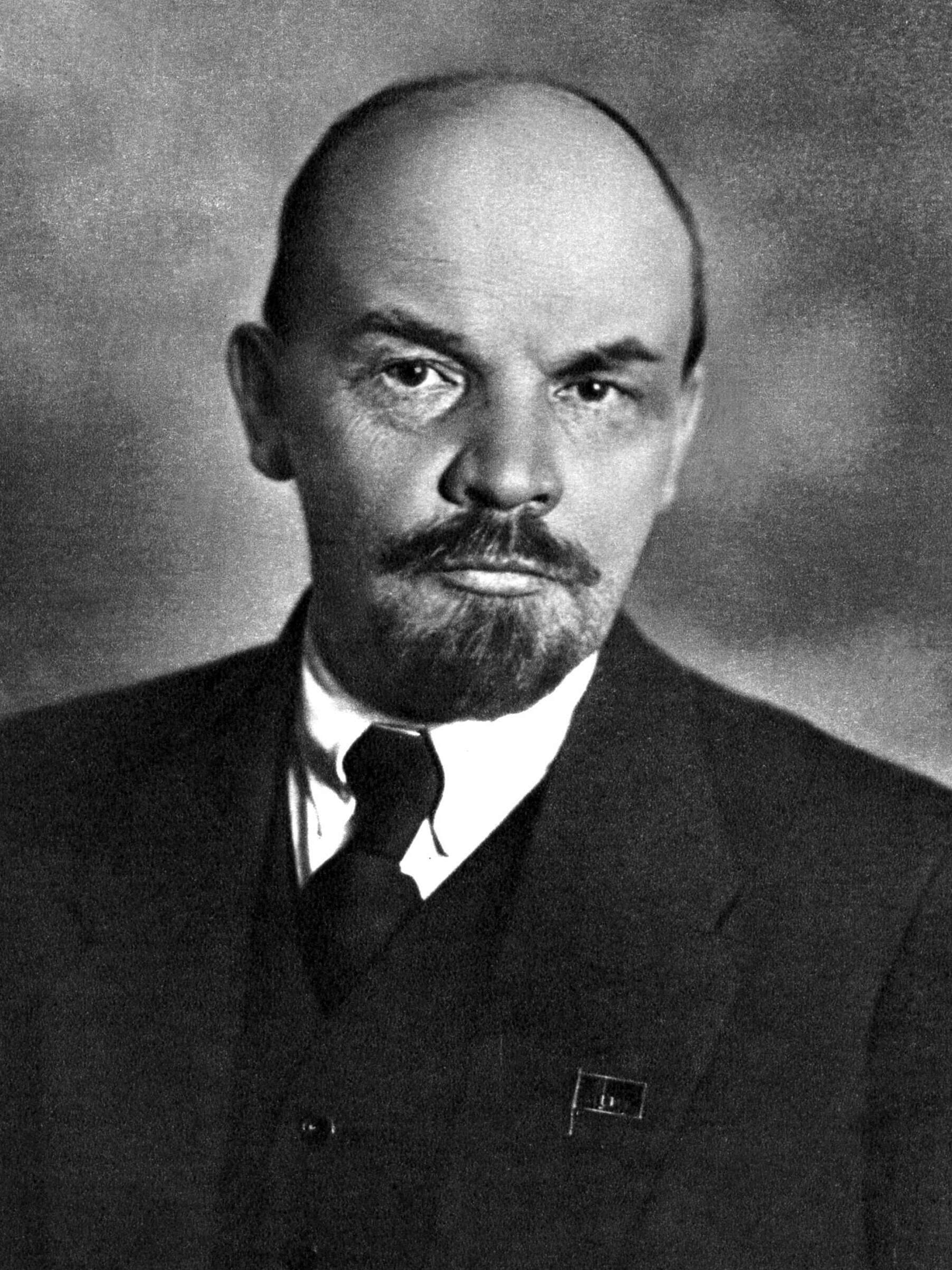
Credit: Unknown, presumably official · Public domain
Vladimir Lenin was a Russian revolutionary leader who founded the Soviet Union. He lived from 1870 to 1924. He led the group that took control of Russia in 1917, ending hundreds of years of rule by emperors called tsars. The country he built became the first communist state in the world. It lasted for almost 70 years and shaped much of the twentieth century.
Lenin was born Vladimir Ulyanov in a small city on the Volga River. His family was middle class and well educated. When Lenin was 17, his older brother was hanged for plotting to kill the tsar. The execution shook the family and pushed Lenin toward revolutionary politics. He studied law, but he soon spent most of his time reading the books of a German thinker named Karl Marx.
Marx taught that workers everywhere were treated unfairly by factory owners and rich landowners. He believed workers should rise up and run society themselves. Lenin agreed, but he added his own twist. He thought a small, disciplined group of revolutionaries needed to lead the way. The Russian government saw him as dangerous and sent him to Siberia for three years. Later he lived in Europe, writing pamphlets and planning.
His chance came in 1917. Russia was losing badly in World War I, and millions of people were hungry and angry. The tsar gave up his throne in March. That fall, Lenin's group, the Bolsheviks, seized power in a fast, well-planned takeover. Lenin became the leader of the new government. He pulled Russia out of the war and took farmland away from rich owners. A brutal civil war followed, lasting until 1922. By the end, Lenin's side had won and created the Soviet Union.
Lenin's rule was harsh. His government shut down newspapers, banned other political parties, and used a secret police force to arrest and kill enemies. Millions died from war, hunger, and political violence during these years. Lenin believed these steps were needed to protect the revolution. Historians still argue about him today. Some see him as a hero who fought for working people. Others see him as a leader who built a system of fear that later leaders, especially Joseph Stalin, made even worse.
Lenin had a stroke in 1922 and died in January 1924. His body was preserved and placed in a glass case in Moscow's Red Square, where visitors can still see it today, more than a hundred years later.
Related
Last updated 2026-04-26