
Friction
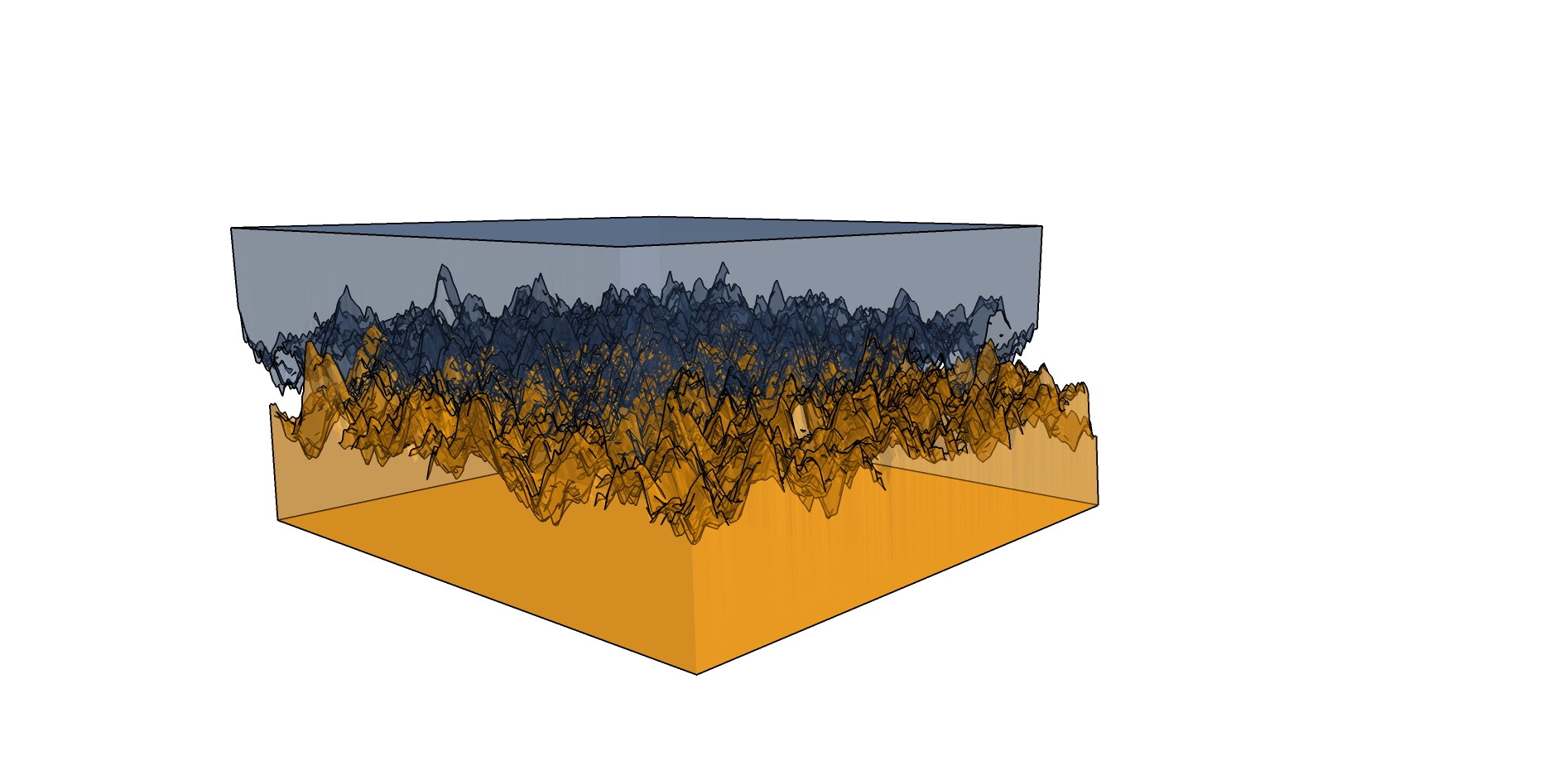
Credit: CaoHao · CC BY-SA 4.0
Friction is a force that slows things down when two surfaces rub against each other. It works against motion. When you push a book across a table, friction between the book and the table pulls against your push. That is why the book stops if you let go. Friction happens everywhere, between almost anything that touches anything else.
Even surfaces that look smooth are not really smooth. If you looked at a polished floor under a microscope, you would see tiny bumps and pits. When two surfaces meet, these tiny bumps catch on each other. That catching is what we feel as friction. The rougher the surfaces, the more friction they make. Sandpaper has a lot of friction. Ice has very little.
There are different kinds of friction. Static friction holds still objects in place. It is the reason a heavy box does not slide off a slanted table on its own. Sliding friction happens when one surface slides over another, like a sled going down a hill. Rolling friction is much weaker, which is why wheels were one of the most important inventions in human history. A heavy cart is hard to drag, but easy to roll.
Friction also makes heat. Rub your hands together fast and you can feel them warm up. This is why early humans could start fires by rubbing sticks together. It is also why a space capsule glows red-hot when it falls back through the atmosphere. It is pushing against so much air, so fast, that friction heats its outer shield to over 3,000 degrees Fahrenheit, hotter than melted iron.
Sometimes we want lots of friction. Shoes have rubber soles so you do not slip. Car tires have deep grooves to grip the road. Brakes on a bike work by squeezing pads against the wheel, using friction to slow you down.
Other times, friction is a problem. It wears out machine parts and wastes energy as heat. Engineers use slippery liquids called lubricants, such as oil and grease, to help parts slide easily. A skateboard ride is smoother because the wheels have ball bearings inside. Ball bearings turn sliding friction into rolling friction.
Friction is one of the oldest forces people have used. Early humans used it to make fire. Today, engineers still balance it carefully. They add friction where things need to grip and remove it where things need to glide.
Last updated 2026-04-23