
Speed and Velocity
Credit: Greg L. Wright - SnapJag · CC BY 2.5
Speed and velocity are two ways to measure how fast something is moving. They sound like the same thing, but in physics they mean slightly different things. Speed tells you how fast an object moves. Velocity tells you how fast it moves AND which direction it is going.
Speed is measured by dividing distance by time. If a car drives 60 miles in one hour, its speed is 60 miles per hour. If you walk 10 feet in 5 seconds, your speed is 2 feet per second. Scientists can use any units, but the rule is always the same. Distance divided by time gives you speed.
Velocity uses the same math, but it also includes direction. A car going 60 miles per hour north has a different velocity than a car going 60 miles per hour south. Their speeds are the same. Their velocities are not. Direction matters because it changes where the object ends up.
Here is why the difference is useful. Imagine you run once all the way around a track and stop right where you started. You moved pretty fast, so your speed was high. But your velocity, measured from start to finish, was zero. You ended up in the same spot you began. Scientists call this kind of difference important when they study motion.
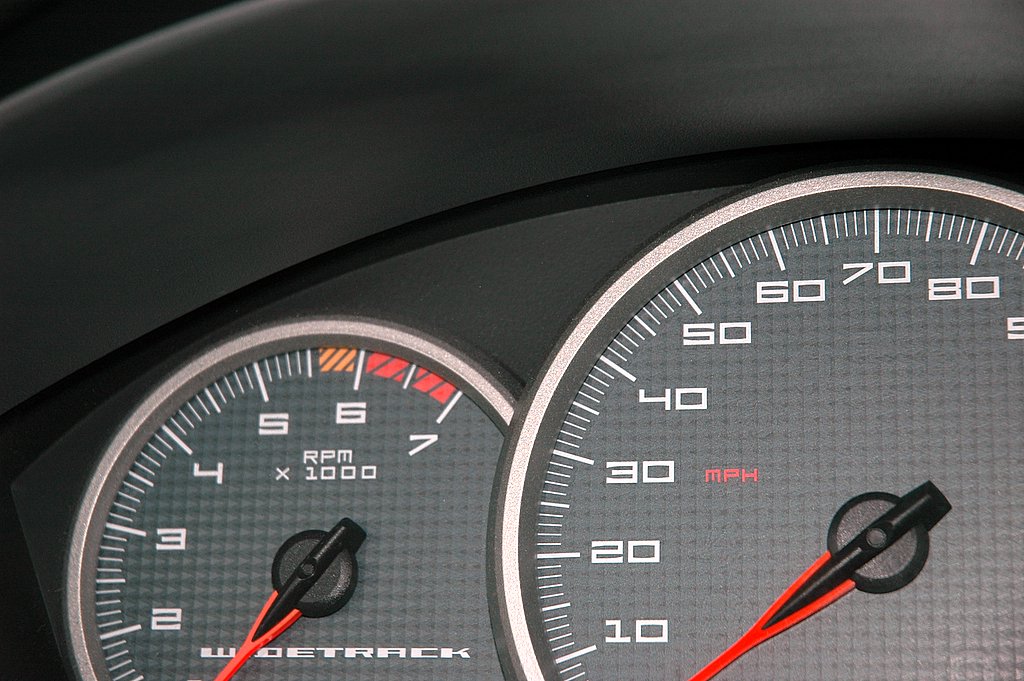
Speed can change from moment to moment. A car at a red light has a speed of zero. When the light turns green, the speed climbs to 10, then 20, then 30 miles per hour. The speed shown on the car's speedometer right now is called instantaneous speed. The speed for a whole trip is called average speed.
Different things move at very different speeds. A snail crawls about 0.03 miles per hour. A human sprinter can reach about 27 miles per hour. A cheetah, the fastest land animal, hits about 70 miles per hour in short bursts. A passenger jet cruises around 575 miles per hour. Sound travels through air at about 767 miles per hour. Light is the fastest thing we know of. Nothing in the universe can move faster than light.
Why does this matter? Engineers use speed and velocity to design safer cars, faster trains, and rockets that can reach other planets. Weather scientists track the velocity of storms to warn people which way a hurricane is headed. Even in sports, coaches measure the speed of a pitch or the velocity of a kicked ball to help players improve.
Last updated 2026-04-23