
Meteorite
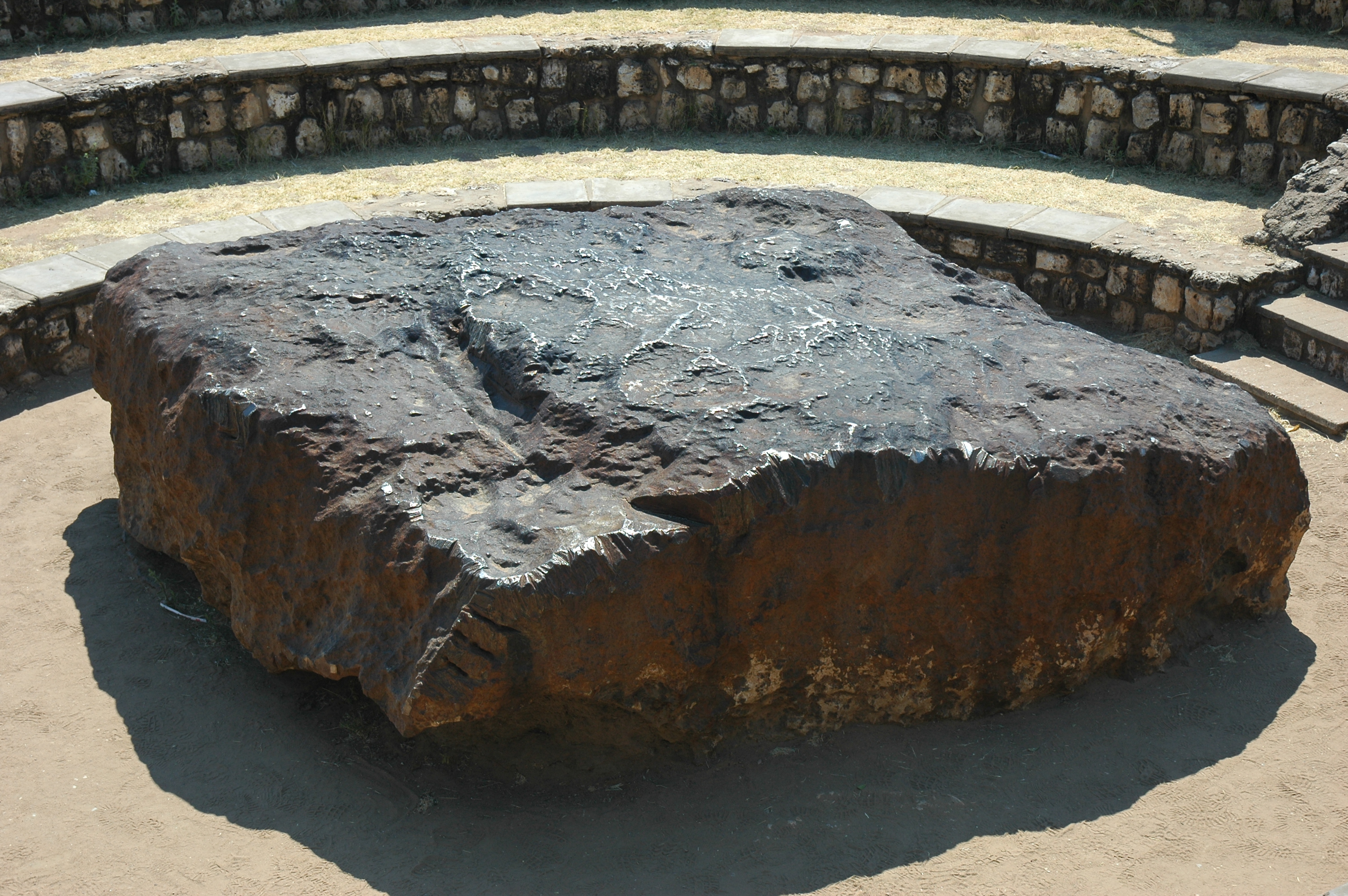
Credit: No machine-readable author provided. Calips assumed (based on copyright claims). · CC BY 2.5
A meteorite is a piece of rock or metal from space that has landed on the surface of a planet or moon. Most meteorites on Earth come from asteroids, which are rocky bodies that orbit the Sun between Mars and Jupiter. A few come from the Moon or from Mars, blasted off those worlds by huge impacts long ago.
It helps to know three related words. A meteoroid is a chunk of rock or metal still floating in space. A meteor is the bright streak of light you see when that chunk burns up in the sky. A meteorite is what reaches the ground. So a meteor is the flash, and a meteorite is the rock you can pick up.
Meteorites travel very fast. When one enters Earth's atmosphere, it can be moving at more than 25,000 miles per hour. The air in front of it gets squeezed and heated until the rock glows white-hot. Most meteoroids are small and burn up completely before they land. Only the bigger or tougher ones survive the fall.
Scientists sort meteorites into three main groups. Stony meteorites are made mostly of rock and are the most common kind. Iron meteorites are made of iron and nickel metal, and they are very heavy for their size. Stony-iron meteorites are a mix of both. Many meteorites are older than Earth itself. Some contain tiny grains that formed 4.6 billion years ago, when the solar system was brand new.
The biggest meteorite ever found on Earth is the Hoba meteorite in Namibia, Africa. It weighs about 60 tons, as heavy as ten elephants, and it is so big that nobody has ever tried to move it. It fell about 80,000 years ago and still sits where it landed.
Huge meteorites have changed life on Earth. About 66 million years ago, a meteorite about six miles wide slammed into what is now Mexico. The impact threw dust and ash into the sky and blocked sunlight for years. Most scientists agree this is what killed the dinosaurs and many other species.
Meteorites still arrive every day. Thousands of tiny ones land each year, though most fall into the ocean or onto empty land. Scientists prize them because they are free samples of outer space. A meteorite is a piece of another world that delivered itself to your backyard.
Last updated 2026-04-22