
Inca Empire
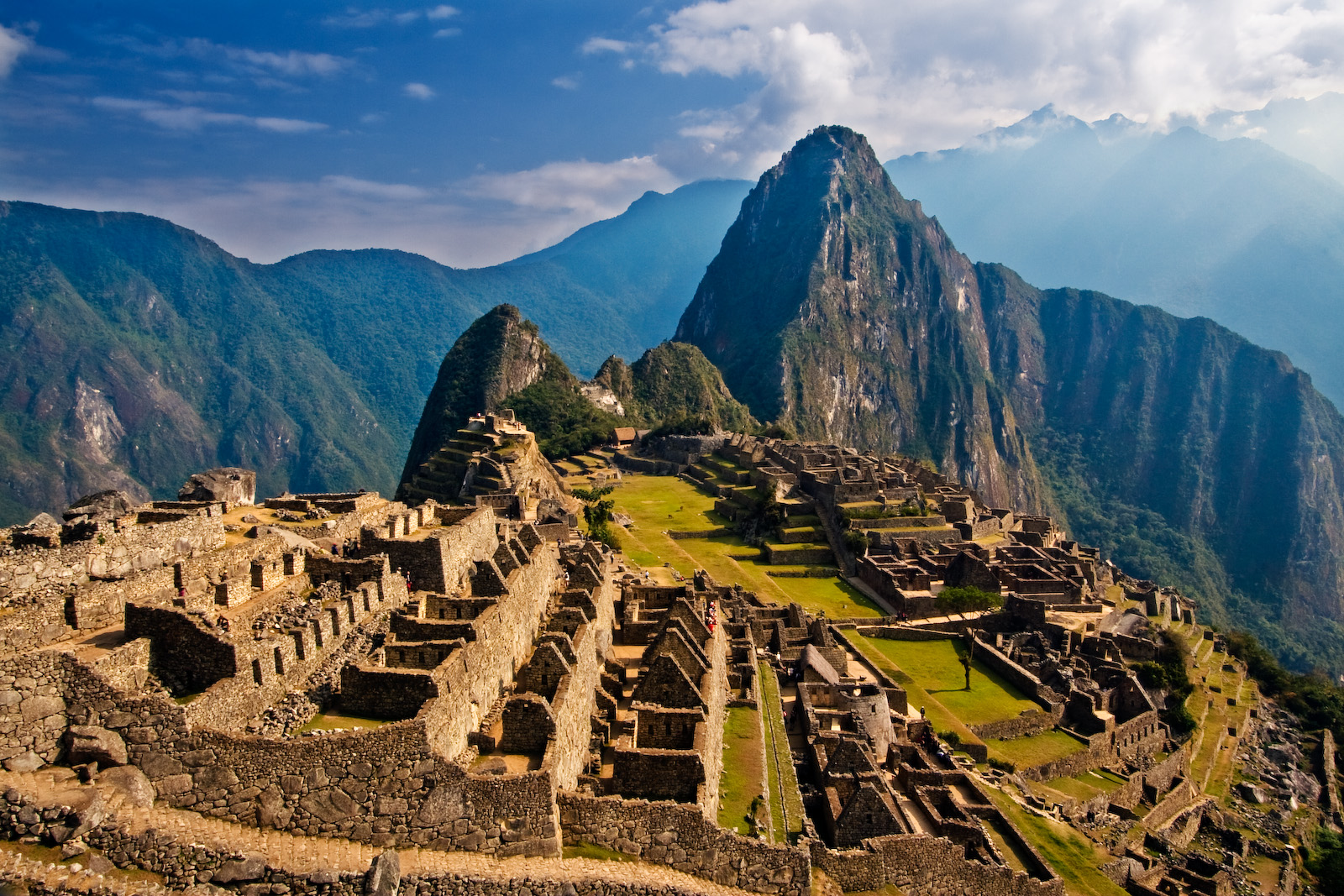
Credit: Pedro Szekely at https://www.flickr.com/photos/pedrosz/ · CC BY-SA 2.0
The Inca Empire was the largest empire in the Americas before Europeans arrived. It stretched along the western side of South America, through the Andes Mountains. At its peak around the year 1500, it covered land that is now part of Peru, Ecuador, Bolivia, Chile, Argentina, and Colombia. About 10 to 12 million people lived under Inca rule.
The empire began as a small kingdom around the city of Cusco in the 1200s. For about 200 years it stayed small. Then a ruler named Pachacuti took over in 1438. He and his son turned the kingdom into a giant empire in less than 100 years. The Inca called their empire Tawantinsuyu, which means "the four parts together."
The Inca were master builders. They cut huge stones and fit them together so tightly that you cannot slide a piece of paper between them. They used no cement. Many Inca walls have stood through hundreds of years and powerful earthquakes. Their most famous site is Machu Picchu, a stone city built high in the mountains around 1450.
To hold the empire together, the Inca built a network of roads through some of the steepest land on Earth. Runners called chasquis sprinted from one road station to the next, passing along messages. A message could travel 150 miles in a single day. The Inca did this without horses, wheels, or a written alphabet.
Instead of writing, the Inca kept records on knotted strings called quipus. Different colors, knot types, and positions stood for different numbers and ideas. Scholars can now read the number parts of quipus, but they still argue about whether quipus also recorded full stories or histories. That mystery is not yet solved.
The Inca farmed steep mountainsides by carving them into flat steps called terraces. They grew potatoes, corn, and quinoa, and they raised llamas and alpacas for wool and for carrying loads. The empire stored extra food in warehouses so people would not go hungry during bad harvests.
The empire ended quickly. In 1532, a Spanish soldier named Francisco Pizarro arrived with fewer than 200 men. The Inca had just finished a brutal civil war between two brothers, and a disease called smallpox, brought by Europeans, had already killed huge numbers of people, including the emperor. Pizarro captured the new emperor, Atahualpa, and later had him killed. By 1572, the Spanish had crushed the last Inca resistance.
Today, millions of people in South America still speak Quechua, the language of the Inca, and still farm the same terraces their ancestors built.
Related
Last updated 2026-04-26