
Otter
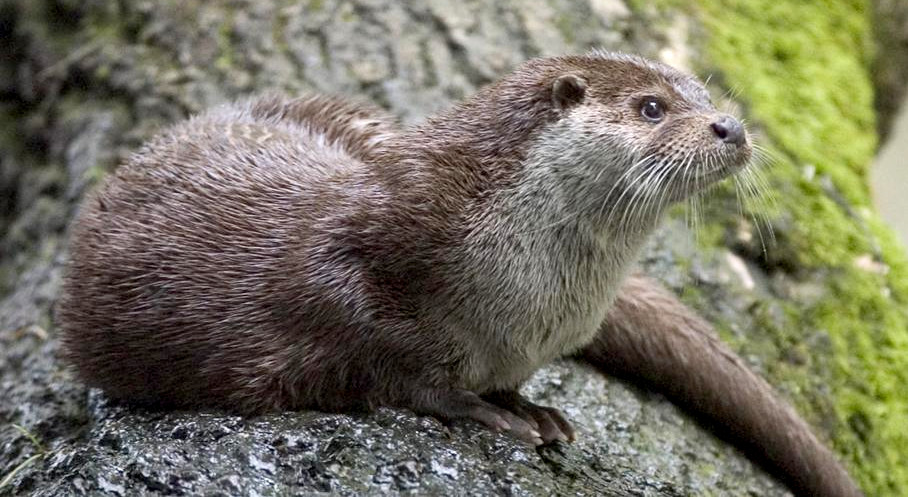
Credit: Bernard Landgraf · CC BY-SA 3.0
An otter is a furry mammal that lives in or near water. Otters belong to the weasel family, which also includes badgers, minks, and wolverines. There are 13 different species of otter in the world. They live on every continent except Australia and Antarctica. All otters are excellent swimmers with long bodies, short legs, webbed feet, and thick fur.
Most otters live in rivers, lakes, and streams. These are called river otters. One kind, the sea otter, lives almost its entire life in the ocean along the coasts of the North Pacific. River otters often come onto land to rest and play. Sea otters rarely leave the water at all.
An otter's fur is one of the thickest of any animal. A sea otter can have up to one million hairs in a single square inch of skin. That is more hair on one fingertip of skin than a human has on their whole head. The fur traps air next to the otter's body and keeps it warm, since otters do not have a thick layer of fat like whales and seals do.
Otters are hunters. River otters eat fish, frogs, crayfish, and small birds. Sea otters eat crabs, clams, sea urchins, and snails. Sea otters are one of the few animals that use tools. A sea otter will float on its back, place a flat rock on its belly, and smash a clam or urchin against the rock to crack it open. Some otters even carry a favorite rock around with them, tucked in a loose pocket of skin under their arm.
Otters play a big part in keeping their habitats healthy. Sea otters eat sea urchins, which eat kelp. Without otters, urchins can chew through whole kelp forests and leave the seafloor bare. When otters come back, the kelp forests grow back too. Scientists call sea otters a "keystone species" because the whole ecosystem depends on them.
Otters were once hunted almost to extinction for their fur. In the 1700s and 1800s, hunters killed so many sea otters that only about 2,000 were left in the wild. Laws now protect them in most countries, and their numbers are slowly rising. Many otter species are still endangered today, mostly because of water pollution and loss of habitat.
Last updated 2026-04-22