
Endangered Species
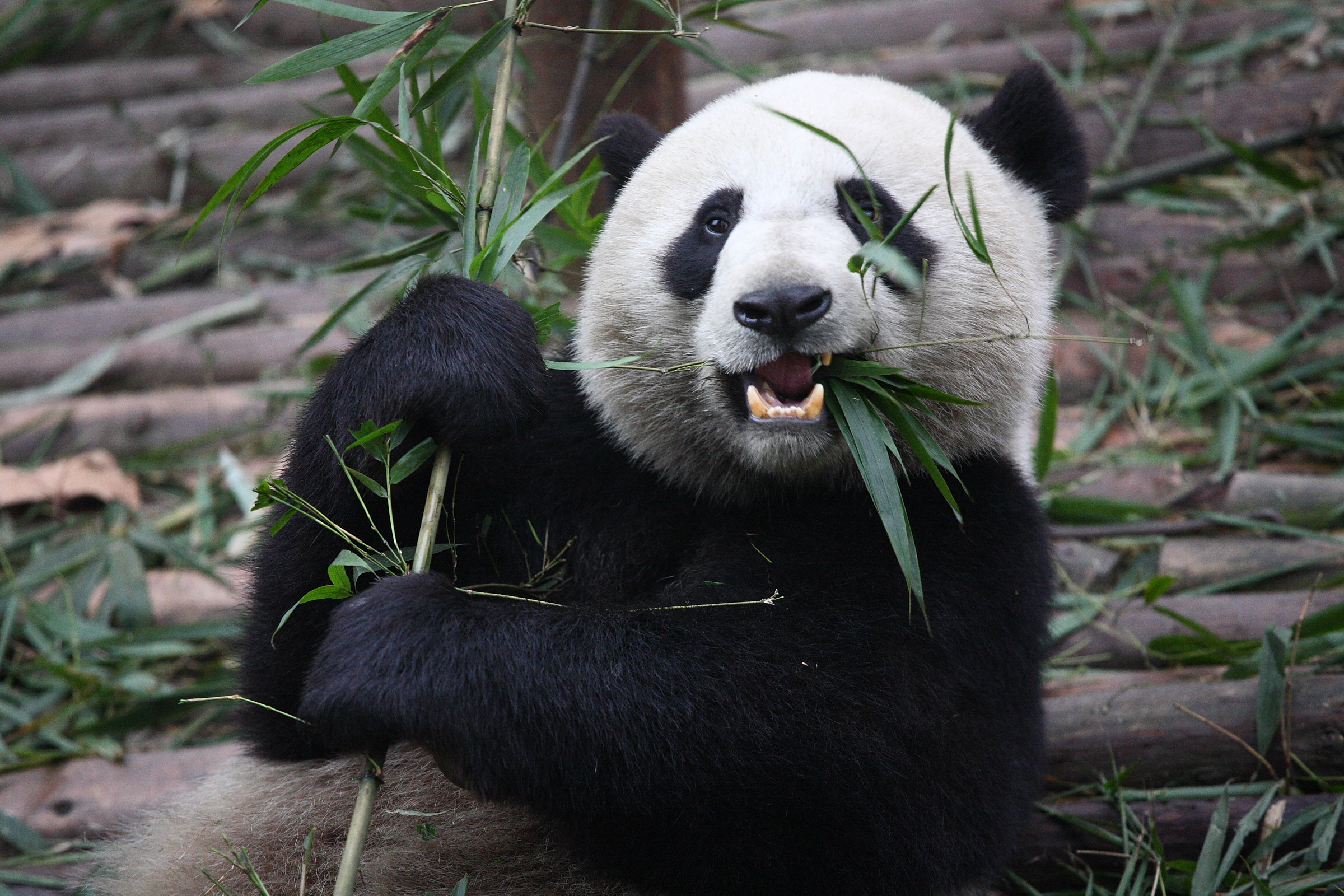
Credit: Chen Wu from Shanghai, China · CC BY 2.0
An endangered species is a type of plant or animal that is in danger of disappearing forever. When the last member of a species dies, that species is extinct. It can never come back. Scientists track which species are at risk so people can try to save them before it is too late.
A group called the International Union for Conservation of Nature, or IUCN, keeps a list called the Red List. The Red List sorts species into groups based on how much trouble they are in. "Vulnerable" means a species may become endangered soon. "Endangered" means it is likely to go extinct. "Critically endangered" means it is very close to extinction. Right now, more than 46,000 species on the Red List are at risk.
Species become endangered for a few main reasons. The biggest cause is habitat loss. When forests are cut down, wetlands are drained, or grasslands are turned into farms, animals lose the places they need to live. Pollution harms rivers, oceans, and the air. Climate change is warming the planet and melting the ice that polar bears hunt on. Hunting and poaching still threaten rhinos, elephants, and tigers. Invasive species, meaning plants or animals brought to a new place by humans, can also crowd out local wildlife.
Some famous species have come close to disappearing. The giant panda lives only in a few mountain forests in China. Fewer than 2,000 remain in the wild. Tigers once roamed across most of Asia, but only about 5,000 are left. Amur leopards in Russia number fewer than 120. Sea turtles, elephants, and gorillas are all at risk.
There is good news too. Many species have been pulled back from the edge. American bald eagles nearly vanished in the 1960s because of a pesticide called DDT. After the United States banned DDT in 1972, eagles recovered. Today there are hundreds of thousands. Gray wolves, humpback whales, and sea otters have also bounced back after people worked to protect them.
Saving endangered species takes many kinds of work. Governments make laws, like the Endangered Species Act in the United States, passed in 1973. Scientists study animals in the wild. Zoos breed rare species and sometimes release them back into nature. Parks and reserves protect the places where wild things live.
Every species has a role in its ecosystem, like a piece in a giant puzzle. When one piece is lost, the whole picture changes.
Related
Last updated 2026-04-23