
Hill
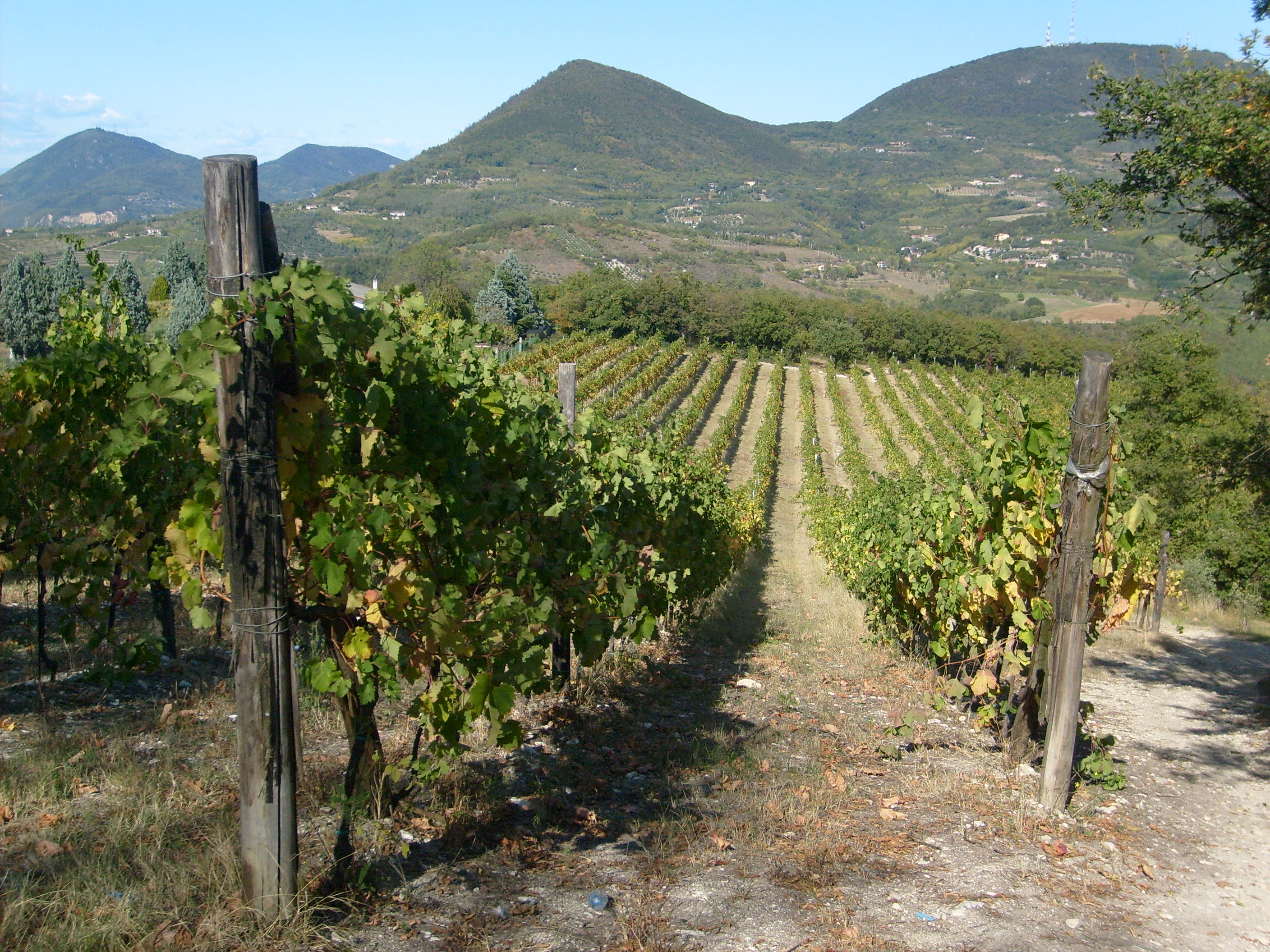
Credit: Rics1299 · CC BY-SA 3.0
A hill is a raised area of land that rises above the ground around it. Hills are smaller and gentler than mountains. They have rounded tops instead of sharp, rocky peaks. You can find hills on every continent, in deserts, forests, grasslands, and even under the sea.
Hills form in many different ways. Some are made when moving pieces of Earth's crust push the land upward, but not as forcefully as the movements that build mountains. Others are leftovers from much taller mountains that have slowly worn down over millions of years. Wind, rain, and rivers all chip away at high land. Given enough time, even a tall mountain can be reduced to a low, rolling hill.
Glaciers also build hills. During the last ice age, huge sheets of ice covered parts of North America and Europe. As the ice moved, it pushed piles of rock and dirt in front of it. When the ice melted, those piles were left behind as long, low hills called moraines. Many of the hills in the northern United States and Canada were built this way.
Some hills are not natural at all. People have built hills for thousands of years. Ancient cultures piled up earth to make burial mounds, temple platforms, and lookout points. Cahokia, near modern St. Louis, has more than 80 human-made mounds built by Native Americans about 1,000 years ago. The biggest one, Monks Mound, rises 100 feet, taller than a 9-story building.
When does a hill become a mountain? That is a surprisingly tricky question. There is no rule that everyone agrees on. The United Kingdom's official mapping agency once said a mountain had to be at least 2,000 feet tall. Other places use 1,000 feet, or no number at all. In some flat regions, people call a 200-foot bump a mountain. In Colorado, where the Rockies tower above everything, a 5,000-foot rise might still be called a hill.
Hills matter to people in everyday ways. They make good lookouts, which is why castles and forts were often built on top of them. Their slopes hold soil well, so farmers grow grapes, olives, tea, and rice on terraced hillsides. Hills also slow down the wind and shape weather, creating wetter sides and drier sides. The next time you walk up a small slope and feel your legs working harder, you are climbing a piece of Earth that took a very long time to rise.
Related
Last updated 2026-04-25