
Mexico City
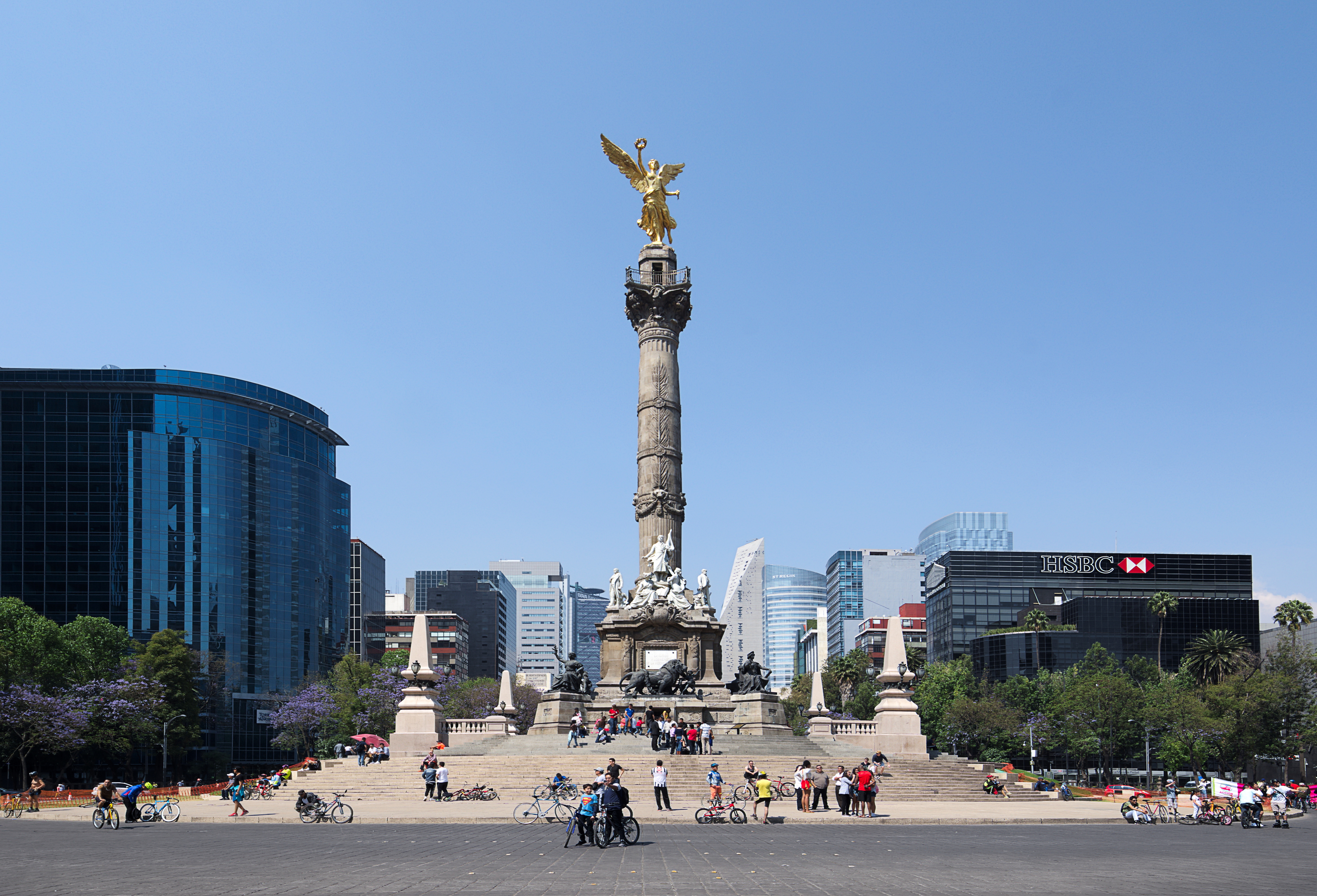
Credit: Carlos Valenzuela · CC BY-SA 4.0
Mexico City is the capital of Mexico and one of the largest cities in the world. It sits in a high valley in the middle of the country, surrounded by mountains and volcanoes. About 22 million people live in the city and the towns around it. That makes it one of the biggest urban areas in the Western Hemisphere.
The city is also one of the highest major cities on Earth. It stands about 7,350 feet above sea level, higher than Denver, Colorado. Visitors sometimes feel out of breath when they first arrive because the air is thinner up there.
Mexico City has an unusual history. It was built on top of an older city called Tenochtitlan. Tenochtitlan was the capital of the Aztec Empire, and it was built on an island in the middle of a big lake. The Aztecs connected the island to the shore with long raised roads. At its peak in the 1400s, Tenochtitlan was larger than most cities in Europe.
In 1521, Spanish soldiers led by Hernán Cortés captured Tenochtitlan after a long siege. The Spanish tore down the Aztec temples and built a new city on the ruins. They slowly drained the lake to make more land. The new city became the capital of a huge Spanish colony that lasted for almost 300 years. Mexico finally won independence from Spain in 1821.
Because the city sits on soft lake mud, it has big problems. Buildings tilt as the ground shifts. Pipes crack. Earthquakes are especially dangerous. In 1985, a powerful quake struck the city and killed thousands of people. The soft ground shook like pudding and made the damage much worse.
Today Mexico City is a busy mix of old and new. The huge main square, called the Zócalo, sits on the same spot where Aztec kings once ruled. Workers digging a subway line in the 1970s uncovered the ruins of the Aztec Great Temple. You can still visit those ruins right next to a giant Catholic cathedral built by the Spanish. Two very different worlds stand side by side.
The city is famous for its food, its art, and its music. Street stalls sell tacos, tamales, and a corn drink called atole. Artists like Diego Rivera and Frida Kahlo painted here, and their homes are now museums. On the Day of the Dead each November, families fill the streets with flowers, candles, and painted skulls to honor people they have lost.
Related
Last updated 2026-04-23