
Hygiene
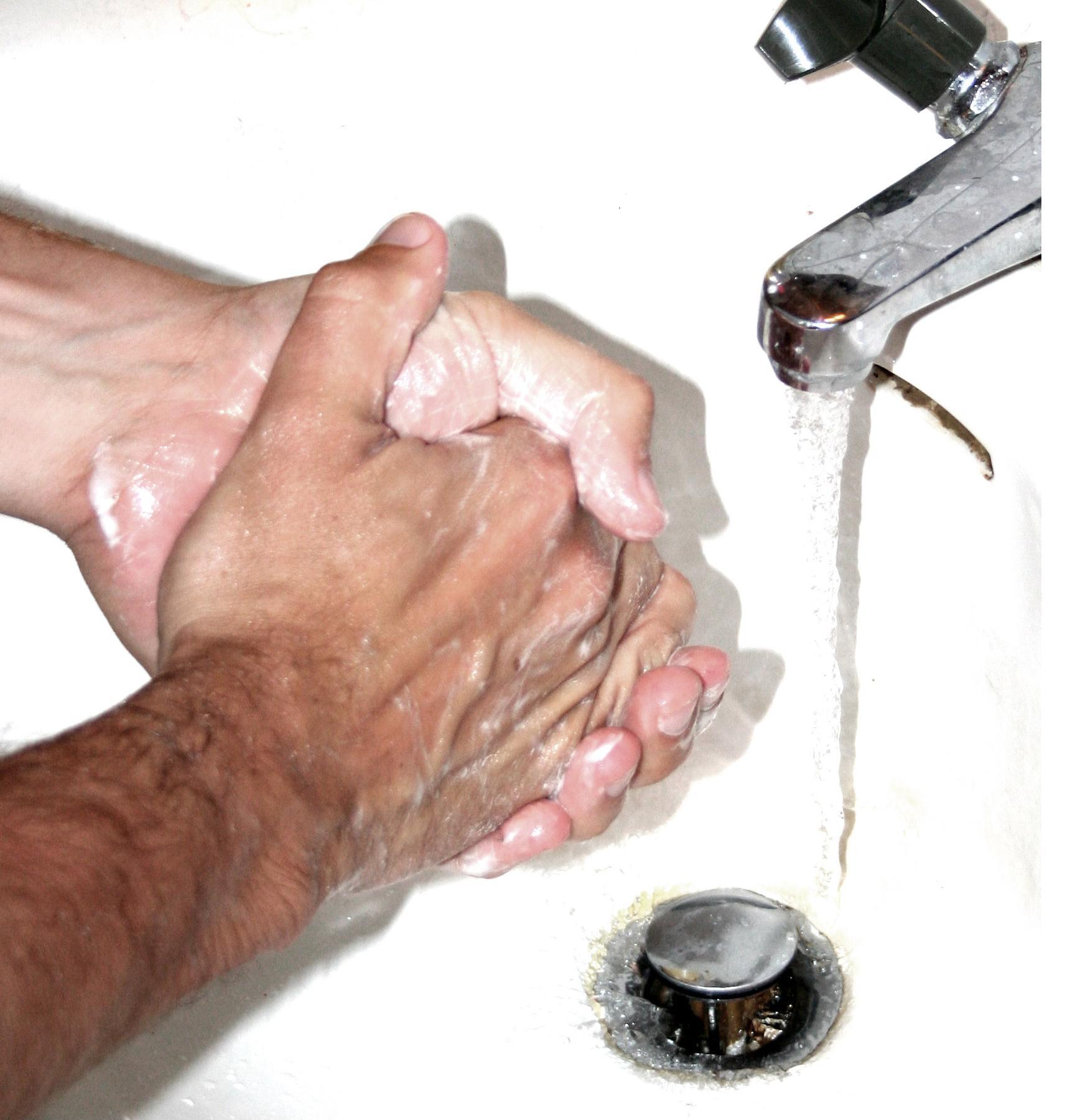
Credit: Lars Klintwall Malmqvist (Larsklintwallmalmqvist) · Public domain
Hygiene is the set of habits people use to stay clean and healthy. It includes washing your hands, brushing your teeth, taking baths or showers, and keeping your living space clean. Good hygiene helps stop germs from spreading and getting people sick. Almost every culture in the world has some form of it, though the exact habits change from place to place.
Most diseases spread through tiny living things called germs. Germs include bacteria and viruses. They are too small to see without a microscope. Germs can live on hands, doorknobs, food, and skin. When germs get inside your body, through your mouth, nose, eyes, or a cut, they can make you sick. Hygiene works by removing germs before they get a chance.
Handwashing is the single most important hygiene habit. Soap breaks apart the outer layer of many germs and lifts them off your skin. Then water rinses them away. Doctors say to scrub your hands for about 20 seconds, which is the time it takes to sing "Happy Birthday" twice. Washing hands before eating and after using the bathroom prevents many common illnesses.
Brushing your teeth is another big one. The mouth is full of bacteria that feed on bits of food, especially sugar. As they feed, they make acid that wears tiny holes in teeth. These holes are called cavities. Brushing twice a day with fluoride toothpaste removes the bacteria before they can cause damage. Floss reaches the spaces between teeth that a brush cannot.
Bathing or showering keeps skin clean. Skin is your body's largest organ, and it sheds dead cells every day. Sweat, oil, and dust collect on top. Washing prevents itching, rashes, and body odor. Clean clothes, clean bedding, and trimmed fingernails help too.
Hygiene was not always understood. For most of human history, doctors did not know germs existed. In the 1840s, a Hungarian doctor named Ignaz Semmelweis noticed that women in his hospital died less often when doctors washed their hands before delivering babies. Other doctors made fun of him and refused to listen. Semmelweis was right, but he died before scientists like Louis Pasteur proved that germs cause disease.
Today, simple hygiene saves millions of lives every year. The World Health Organization says handwashing alone could prevent about half of all childhood deaths from diarrhea worldwide. A few seconds at the sink really does that much.
Related
Last updated 2026-04-25