
Respiratory System
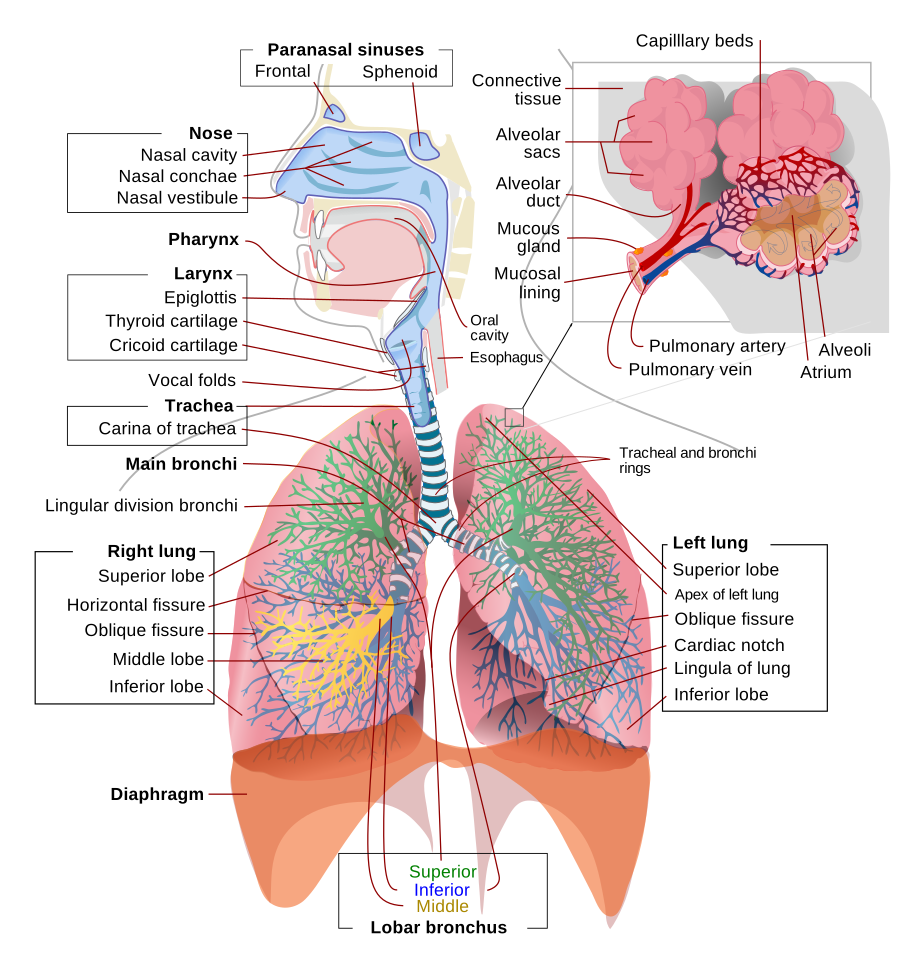
Credit: LadyofHats, Jmarchn · Public domain
The respiratory system is the group of body parts that lets you breathe. Its main job is to bring oxygen into the body and push out a waste gas called carbon dioxide. Every cell in your body needs oxygen to make energy. Without it, the cells would stop working in just a few minutes.
The system starts at your nose and mouth. When you breathe in, air rushes through your nostrils. Tiny hairs and sticky mucus inside your nose catch dust, germs, and pollen before they go any deeper. The air also gets warmed and damp, so it does not shock your lungs.
From the nose, air travels down a tube in your throat called the trachea, or windpipe. The trachea splits into two smaller tubes called bronchi. One bronchus goes into the right lung, and the other goes into the left lung. Inside each lung, the tubes branch into smaller and smaller tubes, like the branches of an upside-down tree.
At the very ends of the smallest tubes are tiny air sacs called alveoli. Each lung holds about 300 million of these sacs. If you spread them all out flat, they would cover an area about the size of half a tennis court. The alveoli are where the real work happens. Oxygen from the air passes through their thin walls into the blood. At the same time, carbon dioxide moves out of the blood and into the alveoli, ready to be breathed out.
A strong muscle called the diaphragm sits below your lungs. When it tightens and pulls down, your chest grows bigger and air rushes in. When it relaxes, air gets pushed back out. You do this about 20,000 times a day without thinking about it.
The respiratory system works closely with the heart. The heart pumps blood to the lungs to pick up oxygen, then sends that oxygen-rich blood to the rest of the body. The two systems are so connected that doctors often check them together.
Things can go wrong with breathing. Asthma makes the airways narrow and tight. Colds and the flu fill the nose and lungs with extra mucus. Smoking damages the alveoli over many years. You can help your lungs stay strong by exercising, staying away from smoke, and washing your hands to avoid germs.
The next time you take a deep breath, think about the long path that air just traveled.
Related
Last updated 2026-04-25