
Plant
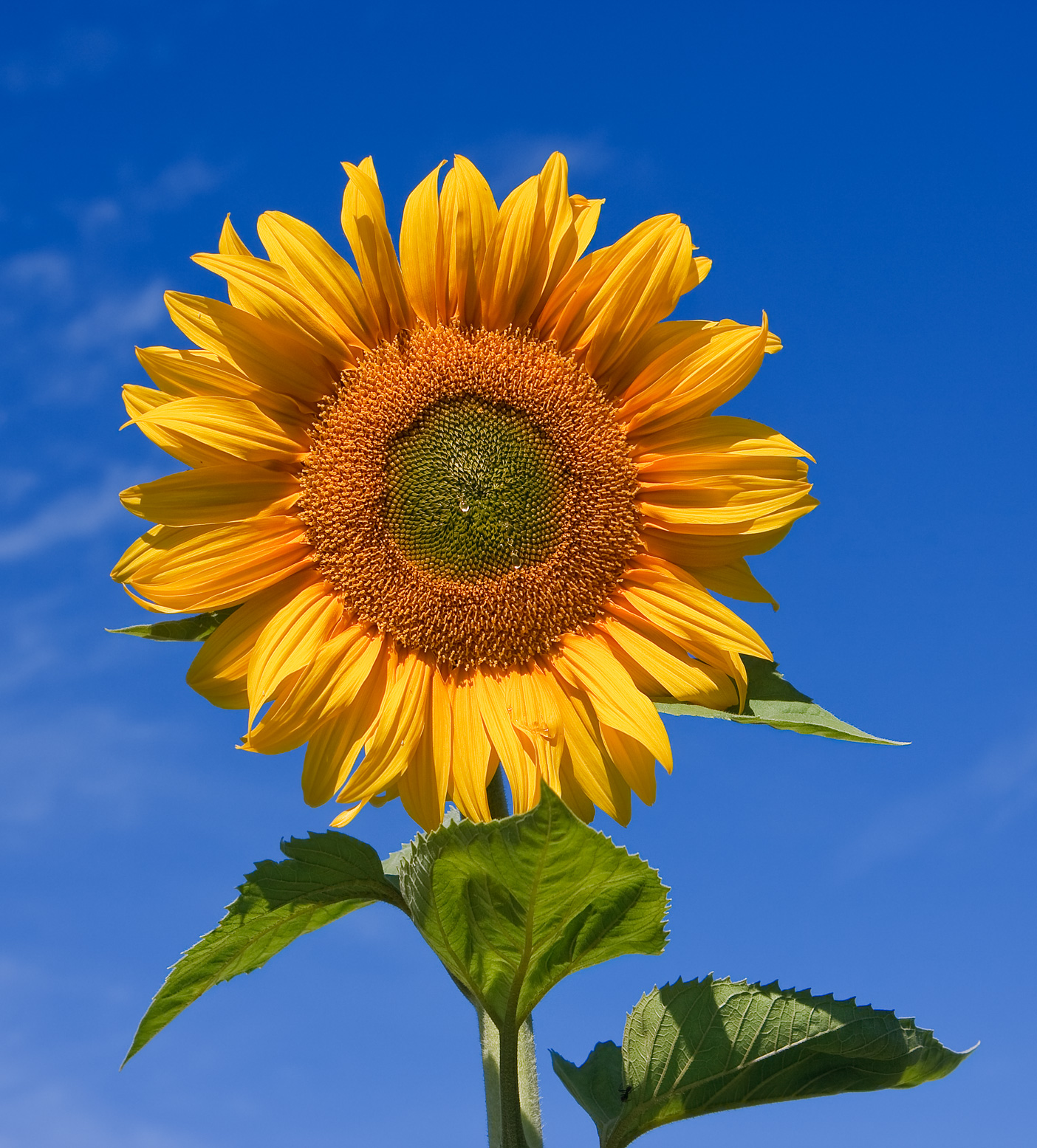
Credit: Fir0002 · GFDL 1.2
A plant is a living thing that makes its own food using sunlight. Plants are one of the main groups of life on Earth, along with animals, fungi, and tiny microbes. They grow almost everywhere, from hot deserts to cold mountains to the bottoms of ponds. Most plants stay rooted in one spot for their whole lives.
Plants are made of cells, just like animals. But plant cells have something animal cells do not. Inside each plant cell are tiny green parts called chloroplasts. Chloroplasts hold a green chemical called chlorophyll, which catches energy from sunlight. The plant uses that energy to turn water and a gas called carbon dioxide into sugar. This food-making process is called photosynthesis. As a bonus, the plant gives off oxygen, which is the gas you breathe.
Most plants share the same basic parts. Roots dig down into the soil to soak up water and minerals. They also hold the plant in place. The stem carries water up from the roots and holds the plant upright. Leaves are the plant's food factories. They are flat and thin so sunlight can reach as many cells as possible. Many plants also grow flowers, which make seeds that can grow into new plants.
Plants come in a huge range of sizes. The smallest, a tiny water plant called wolffia, is smaller than a grain of rice. The largest is a giant sequoia tree in California named General Sherman. It weighs about 2.7 million pounds, more than 200 elephants. Some bristlecone pines in the western United States are nearly 5,000 years old. They were already old when the pyramids of Egypt were new.
Plants do not have brains, but they can sense the world around them. They turn their leaves to follow the sun. Their roots grow toward water and away from rocks. Some plants release smelly chemicals when bugs start chewing on them, which warns nearby plants to start making their own bug-fighting chemicals. Scientists are still debating how much plants really "know," and whether words like memory and communication should be used for them at all.
Plants matter to almost every other living thing. They feed the animals that eat them, and they feed the animals that eat those animals. They make most of the oxygen in the air. They give us wood, cotton, paper, medicine, and almost everything we eat. Without plants, Earth would be a very different planet, and humans could not live on it.
Last updated 2026-04-25