
Flower
Credit: Kees Groeneveld · CC BY 3.0
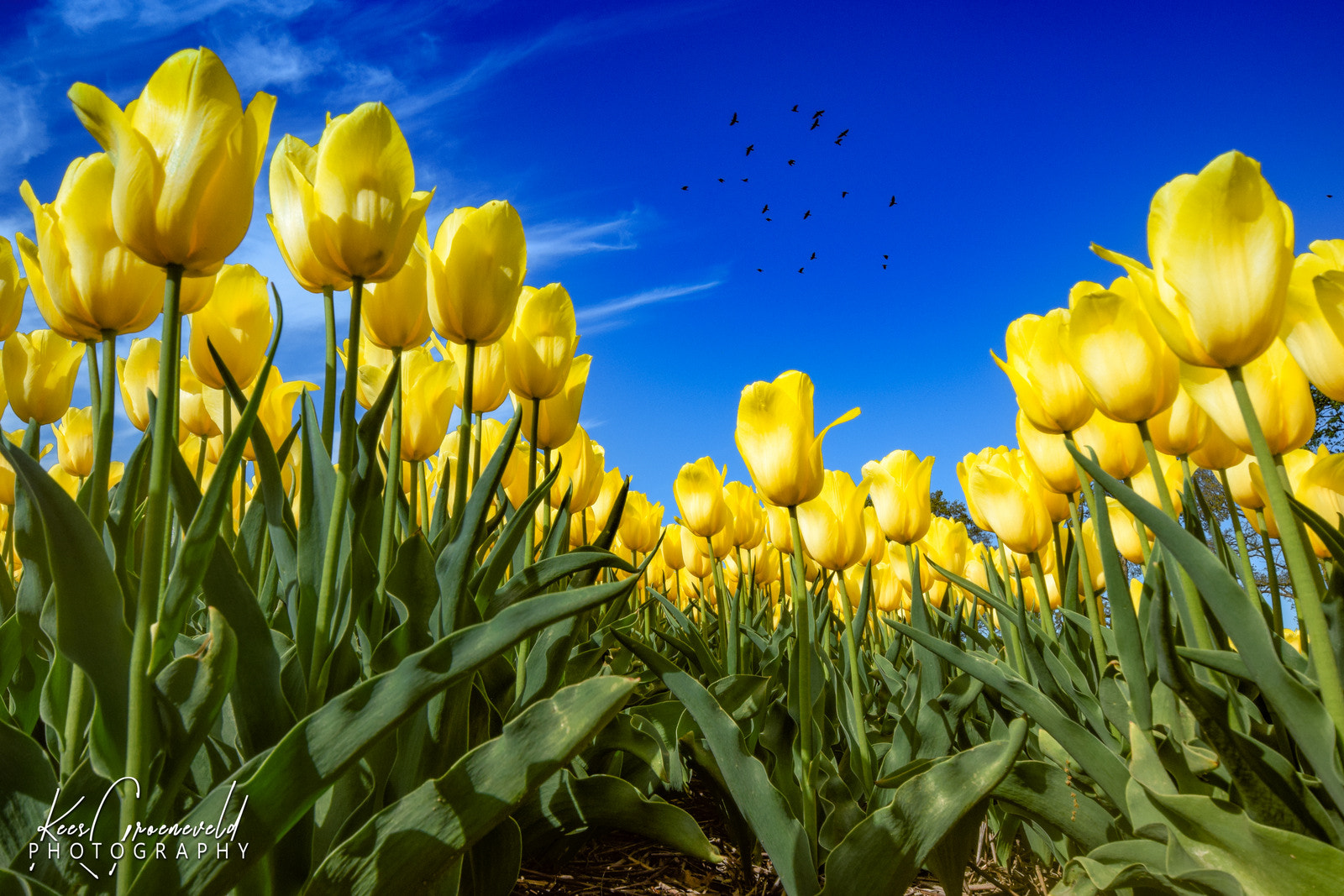
A flower is the part of a plant that makes seeds. Flowers grow on most kinds of plants, from tiny weeds to giant trees. They come in almost every color, shape, and size. A flower can be smaller than a pencil eraser or wider than a dinner plate. No matter how it looks, its main job is to help the plant make new plants.
Most flowers have the same basic parts. The petals are the colorful outer pieces. They often smell sweet and look bright. In the center of the flower are the parts that actually make seeds. The stamens are thin stalks with yellow tips called anthers. The anthers hold tiny grains of pollen. In the middle is the pistil, which holds the eggs that will become seeds. Green leaf-like flaps called sepals protect the flower while it is still a bud.
For a seed to form, pollen has to travel from a stamen to a pistil. This is called pollination. Some plants use the wind to move their pollen. But most flowering plants get help from animals. Bees, butterflies, moths, beetles, hummingbirds, and even bats visit flowers to drink a sweet liquid called nectar. While the animal feeds, pollen sticks to its body. When it flies to the next flower, some of that pollen rubs off, and a new seed can start to grow.
This is why flowers are so colorful and sweet-smelling. They are advertising. The bright petals and strong scents are signals to pollinators, like a sign that says "food here." Some flowers even have lines on their petals, called nectar guides, that point insects toward the nectar. Bees can see colors humans cannot, including a kind of light called ultraviolet. Many flowers look very different to a bee than they do to us.
After pollination, the petals usually fall off. The pistil swells and grows into a fruit with seeds inside. An apple, a tomato, a pumpkin, and a cherry all started as flowers.
Flowers also matter to people. We grow them in gardens, give them as gifts, and use them in weddings, funerals, and holidays. Flowering plants did not always exist. They first appeared about 130 million years ago, while dinosaurs still walked the Earth. Today there are more than 350,000 kinds of flowering plants, making them the largest group of plants on the planet.
Last updated 2026-04-25