
Seed
Credit: ABF · CC BY-SA 3.0
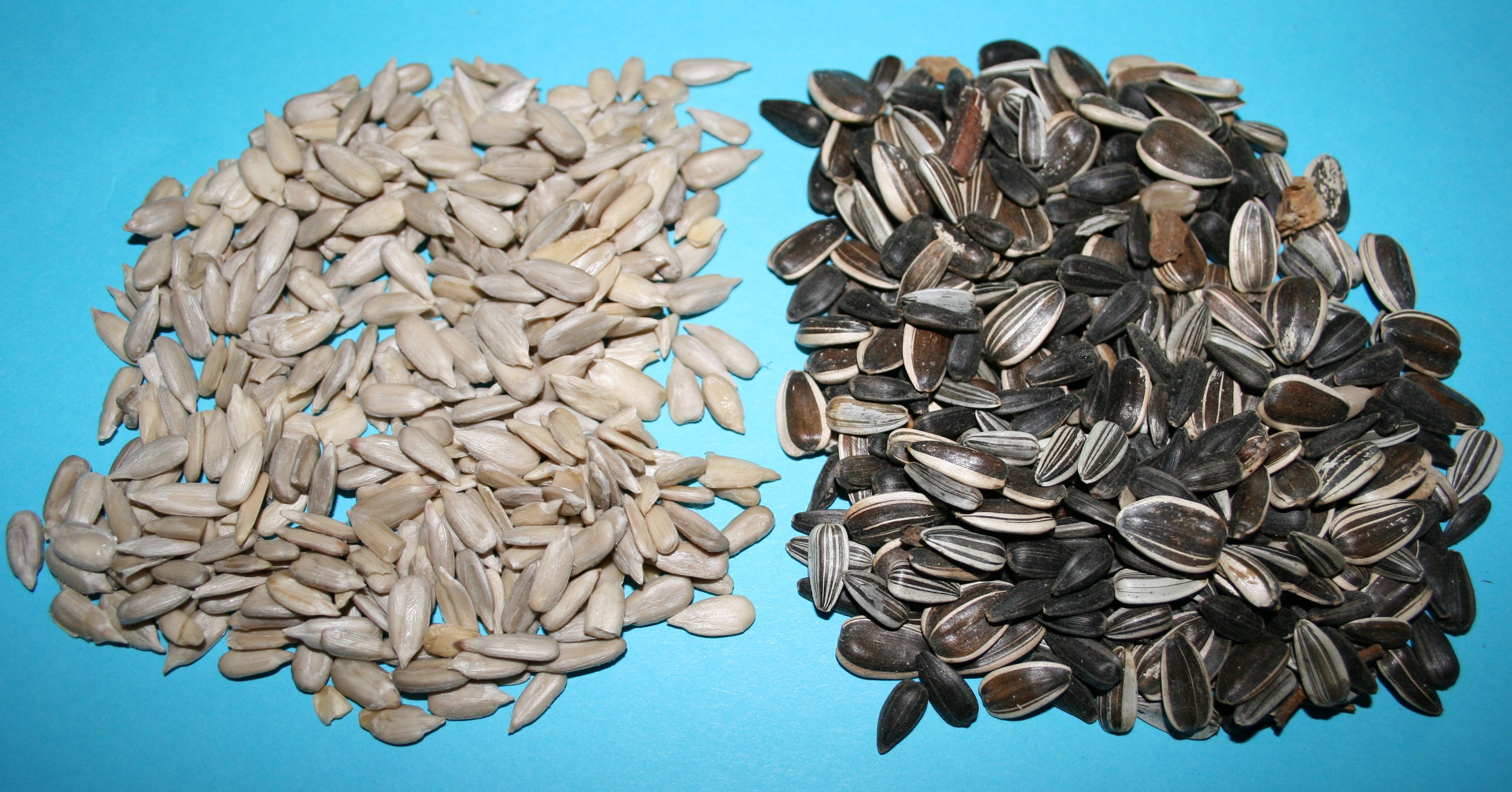
A seed is a tiny package made by a plant that can grow into a new plant. Most flowering plants and trees use seeds to reproduce. Inside every seed is a baby plant called an embryo, a supply of food for the embryo, and a tough outer coat that protects them both. When the conditions are right, the seed sprouts and the new plant begins to grow. This sprouting is called germination.
Seeds come in a huge range of sizes. The smallest seeds belong to certain orchids. They are so small that a single seed weighs less than a grain of dust. The largest seed in the world is the coco de mer, a coconut from a palm tree that grows on islands in the Indian Ocean. One coco de mer seed can weigh up to 40 pounds, about as much as a five-year-old child.
To grow, a seed usually needs water, the right temperature, and air. Sunlight is not always needed at first, since the food stored inside the seed feeds the young plant until the first leaves appear. Once those leaves open, the new plant can make its own food using sunlight. That process is called photosynthesis.
Plants cannot walk, so they have clever ways to move their seeds to new places. Maple seeds have papery wings and spin like helicopters in the wind. Dandelion seeds float on tiny parachutes of fluff. Coconuts can drift across oceans and still sprout when they wash ashore. Many seeds travel inside fruit. An animal eats the fruit, walks somewhere new, and later passes the seeds out in its droppings, complete with a small dose of fertilizer.
Some seeds wait a very long time before they sprout. A seed can stay alive but asleep for years, sometimes even centuries, until conditions are right. Some seeds need to be soaked, frozen, or even burned in a forest fire before the seed coat will crack open. Lodgepole pine cones, for example, often need the heat of a wildfire to release their seeds.
Humans depend on seeds for almost everything we eat. Wheat, rice, corn, beans, and peanuts are all seeds. So are the spices in your kitchen, like pepper and mustard. Around the world, scientists keep millions of different seeds in special vaults called seed banks. These vaults protect the world's food supply in case a crop ever disappears.
Last updated 2026-04-25