
Algae
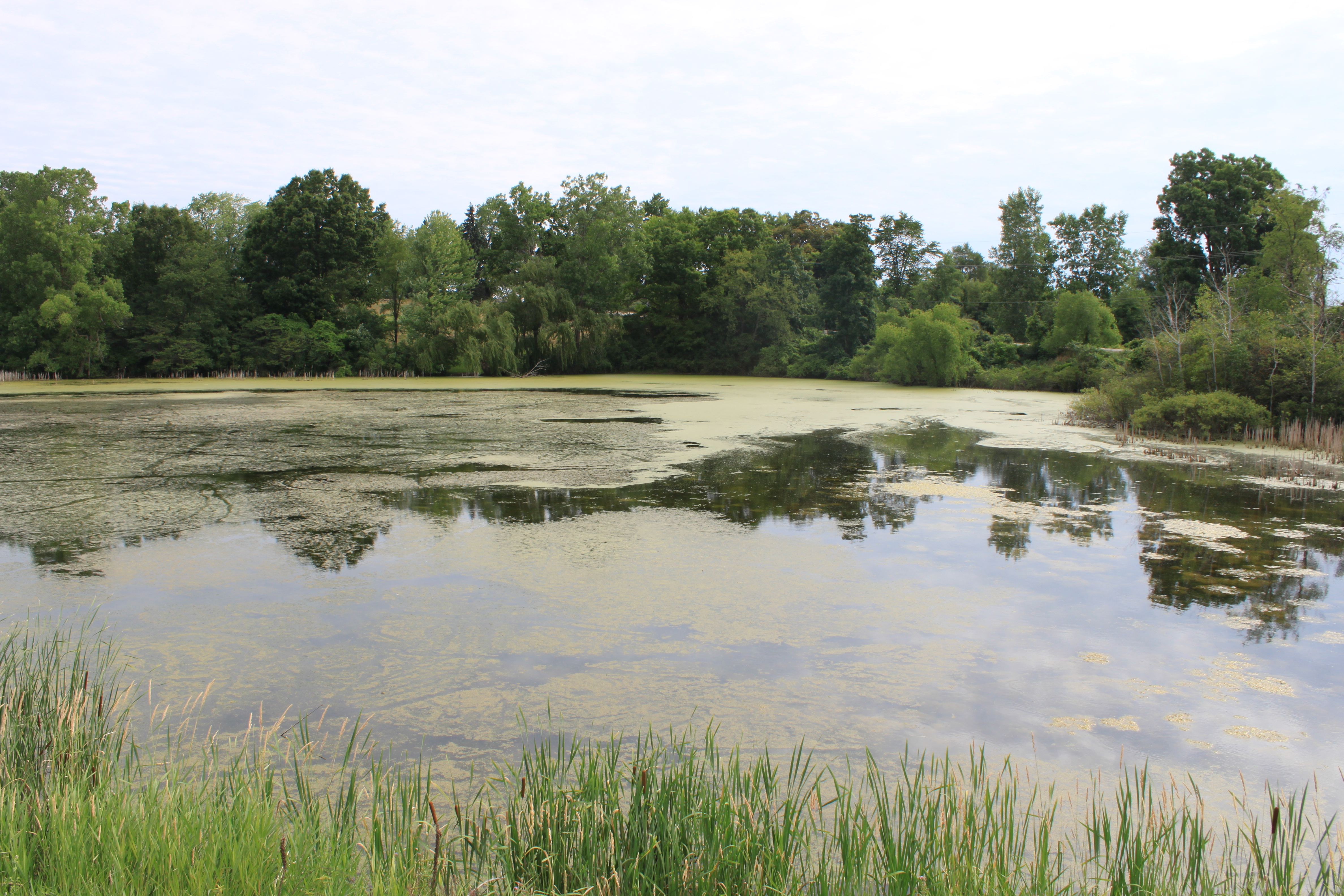
Credit: Dwight Burdette · CC BY 3.0
Algae are living things that make their own food from sunlight, like plants do. But algae are not plants. They are a huge group of different organisms, from tiny single cells you cannot see to giant kelp that grows 100 feet long. Algae live almost everywhere there is water and light. You can find them in oceans, lakes, rivers, ponds, wet soil, and even on tree bark.
Like plants, algae do photosynthesis. They use sunlight, water, and carbon dioxide to make sugar for food. In the process, they release oxygen into the water and air. Scientists think algae in the oceans produce about half of all the oxygen on Earth. The other half comes from land plants. So algae are just as important for breathing as forests are.
Algae come in many colors. Green algae are the most common kind and the ones most closely related to plants. Brown algae include giant kelp, which forms underwater forests off the coast of California. Red algae often grow in deep, warm ocean water. Some algae are not really one color at all. They glow. At certain beaches, tiny algae called dinoflagellates light up bright blue when the waves stir them up at night.
Most algae are very small. A single drop of pond water can hold thousands of them. These tiny floating algae are called phytoplankton, and they are the base of almost every food chain in the ocean. Small fish and shrimp eat the phytoplankton. Bigger fish eat the small fish. Whales, sharks, and people eat the bigger fish. Without algae, the ocean food web would fall apart.
People use algae in surprising ways. A jelly-like substance from red algae, called agar, is used to grow bacteria in science labs and to thicken ice cream. Another kind, called carrageenan, goes into chocolate milk and toothpaste. In Japan, sheets of a red algae called nori are wrapped around sushi. Scientists are also testing algae as a source of fuel for cars and planes.
Algae can also cause problems. When farms or cities wash too many nutrients into a lake, algae can grow out of control. These algal blooms sometimes turn water bright green or red. Some blooms release poisons that kill fish and make the water unsafe to drink. So the same tiny organisms that feed the ocean and fill the air with oxygen can also tip an ecosystem out of balance.
Related
Last updated 2026-04-23