
Biodiversity
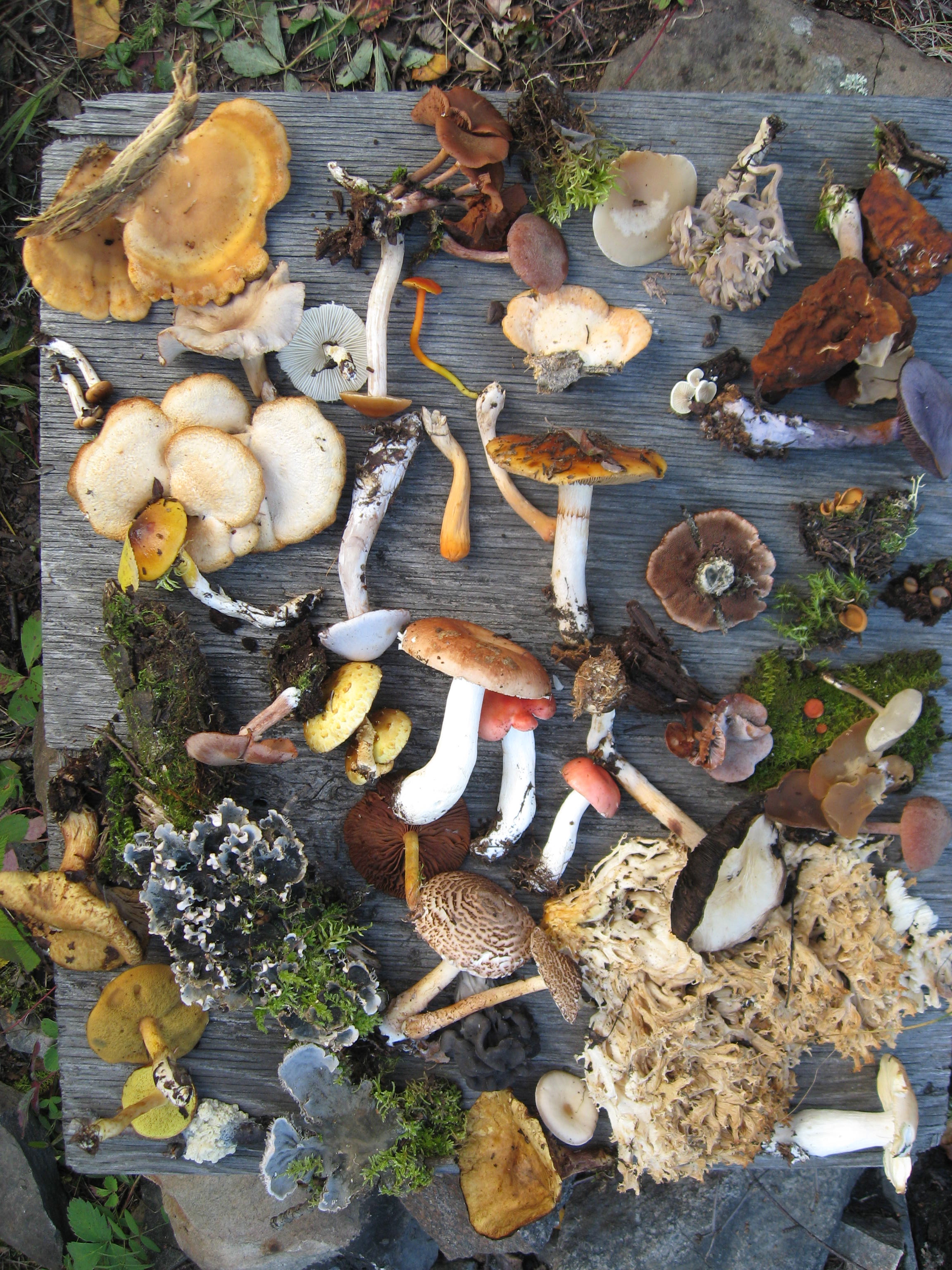
Credit: Sasata · CC BY-SA 3.0
Biodiversity is the variety of living things in a place. The word is a shortcut for "biological diversity." A place with high biodiversity has many different kinds of plants, animals, fungi, and tiny living things like bacteria. A place with low biodiversity has only a few kinds. Scientists study biodiversity to understand how nature works and how healthy an ecosystem is.
Biodiversity shows up at three different levels. The first is the number of different species in an area. A tropical rainforest has more species than a parking lot. The second level is the variety of genes inside one species. Not every tiger looks or acts the same, and those small differences help the species survive. The third level is the variety of whole ecosystems, like forests, deserts, coral reefs, and wetlands. All three levels matter.
Some places on Earth are packed with life. The Amazon rainforest has more than 40,000 plant species and millions of insect species. Coral reefs cover less than one percent of the ocean floor but are home to about a quarter of all ocean species. Scientists call these places "biodiversity hotspots." Other places, like the deep ocean or the underside of Antarctic ice, are still being explored, and new species are found every year.
Biodiversity is not just interesting. It keeps people alive. Bees and other insects pollinate the crops humans eat. Forests full of different trees clean the air and hold soil in place. Bacteria in the dirt break down dead things and return food to the soil. About one out of every four medicines started as a chemical found in a plant, a fungus, or an animal. When a species disappears, the jobs it did disappear too.
Right now, species are disappearing fast. Scientists think extinctions are happening about 100 times faster than normal. The main causes are humans cutting down forests, polluting water and air, changing the climate, and moving plants and animals into places they do not belong. Some scientists believe Earth is entering a "sixth mass extinction." Others argue the numbers are not that bad yet. They all agree the trend is going the wrong way.
The good news is that biodiversity can bounce back when it gets a chance. National parks, ocean reserves, and rewilding projects have brought back wolves, bald eagles, sea otters, and many smaller species. Protecting one animal often protects thousands of others that share its home.
Related
Last updated 2026-04-23