
Extinction
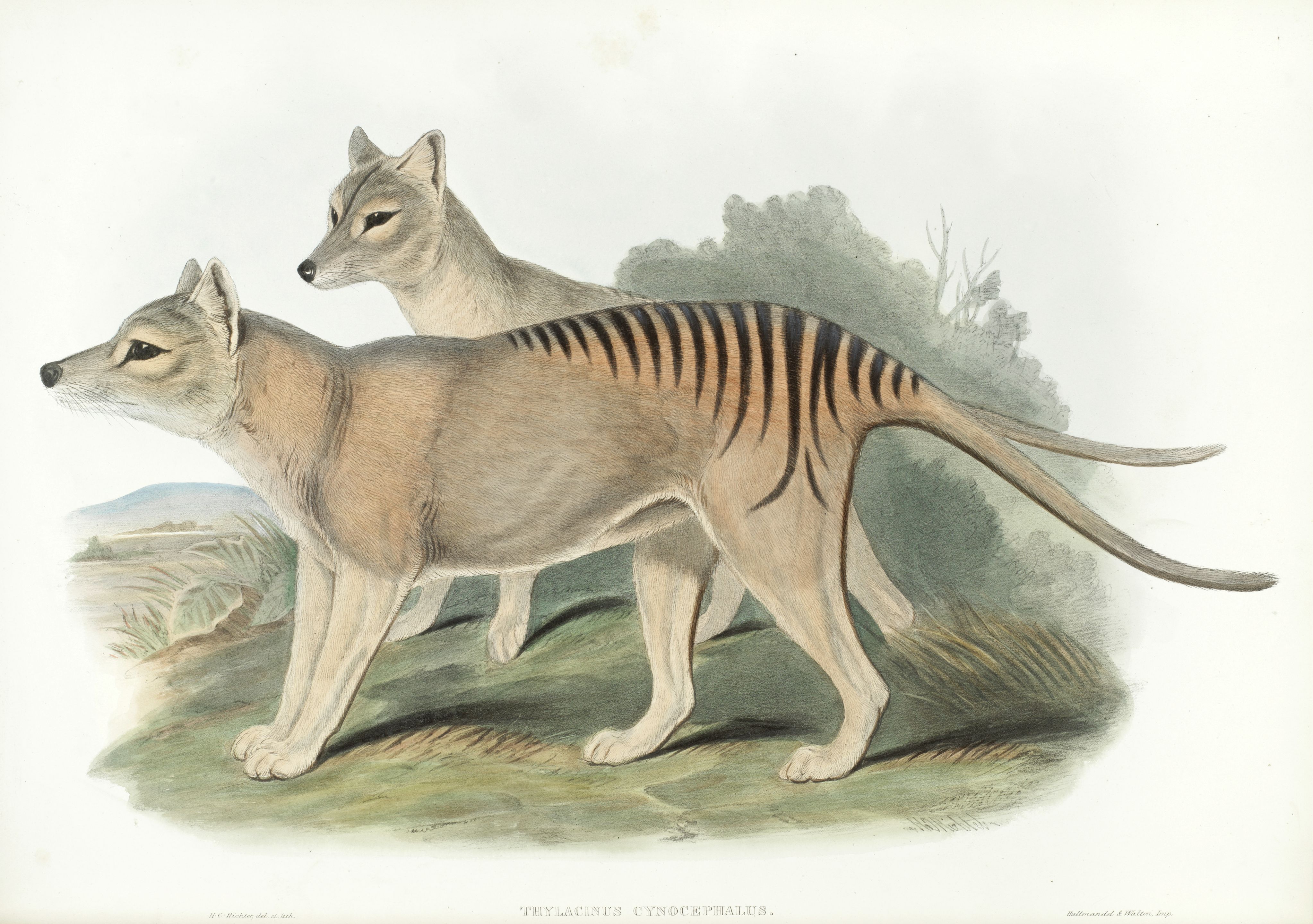
Credit: Henry Constantine Richter / After John Gould · Public domain
Extinction is what happens when the last member of a species dies and that kind of living thing is gone from Earth forever. A species can be a kind of animal, plant, fungus, or tiny living thing like a bacterium. Once a species is extinct, it cannot come back on its own. Extinction has been part of life on Earth for billions of years.
Most species do not last forever. Scientists think the average species survives for only a few million years before it dies out. More than 99 percent of all species that have ever lived are now extinct. The dinosaurs, the woolly mammoth, the dodo bird, and the saber-toothed cat are all gone. But new species also appear over time through evolution, so life keeps going.
Species go extinct for many reasons. The weather might change and make their home too hot or too cold. A new predator might arrive. A disease might spread. Their food source might disappear. Sometimes a species cannot find enough mates to have babies. Usually extinction happens slowly, one species at a time. Scientists call this the background rate of extinction.
Sometimes, though, huge numbers of species die off in a short time. These events are called mass extinctions. Earth has had five big mass extinctions that we know of. The most famous one happened about 66 million years ago, long before humans existed. A giant asteroid slammed into what is now Mexico. The crash threw dust into the sky and blocked out the sun for years. Plants died, and most of the dinosaurs starved. Small mammals survived, and over millions of years, their descendants became the animals we know today, including us.
Many scientists believe a sixth mass extinction is happening right now, caused mostly by humans. People cut down forests, pollute rivers and oceans, hunt animals, and change the climate. Species are disappearing hundreds of times faster than normal. The dodo was wiped out by sailors in the 1600s. The passenger pigeon, once the most common bird in North America, was hunted to extinction by 1914.
Scientists disagree about some extinctions. Did humans kill off the woolly mammoth, or did a warming climate do it? Most researchers now think both played a part. Some scientists are even working on a project called de-extinction, which tries to bring back lost species using DNA from their remains. Nobody knows yet if it will really work.
Every species that goes extinct takes its part of the food web with it. That is why many people work hard to protect the living things we still share the planet with.
Related
Last updated 2026-04-23