
Industrial Revolution in America
Credit: Welcome Arnold Greene · Public domain
The Industrial Revolution in America was a time when the United States changed from a country of farms and small workshops into a country of factories, railroads, and big cities. It began in the late 1700s and continued through the 1800s. By the early 1900s, the United States had become one of the most powerful industrial nations in the world.
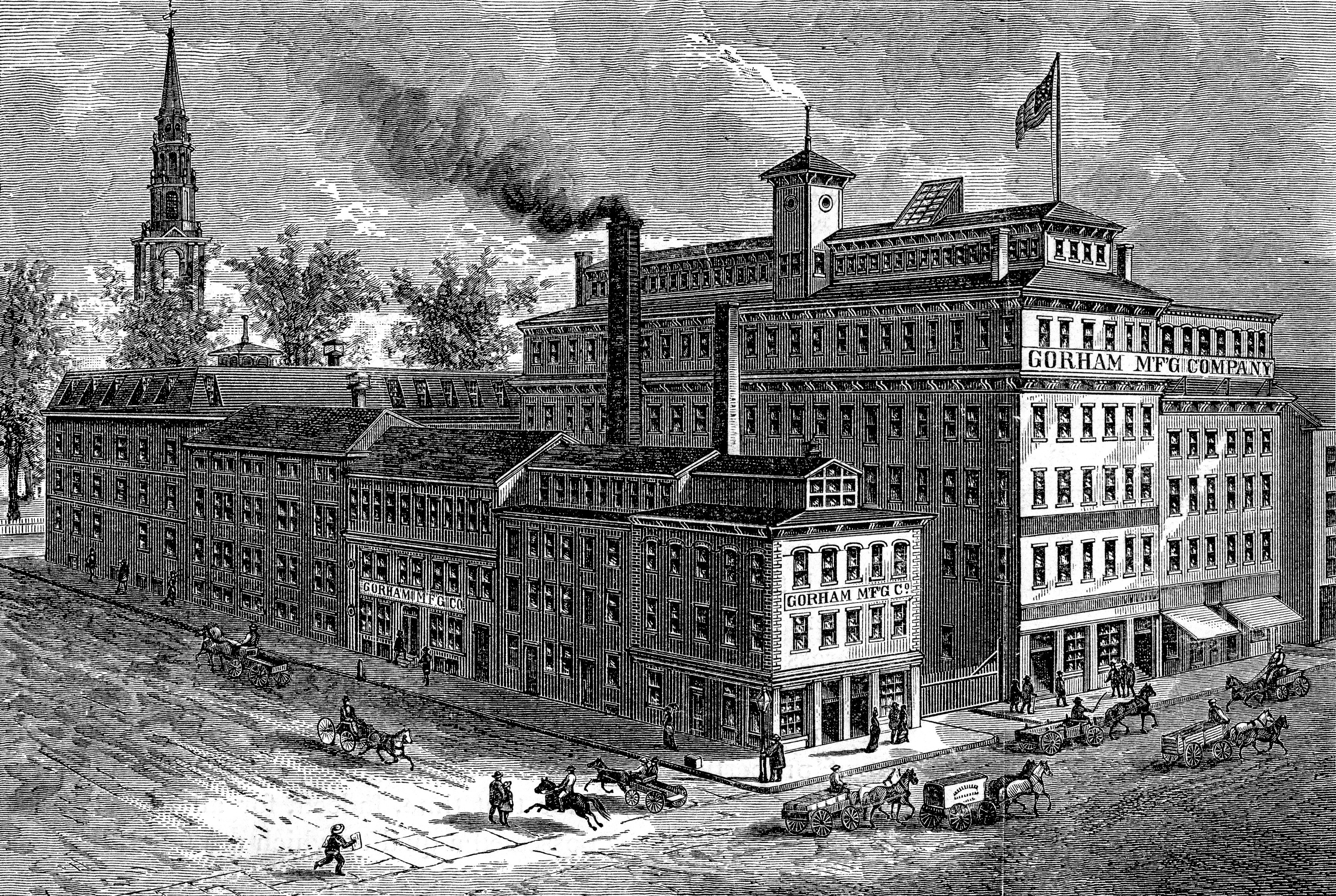
The change started with cloth. In 1790, a British worker named Samuel Slater built the first American factory in Pawtucket, Rhode Island. It used water power to spin cotton into thread. Soon, mills like his were running all along the rivers of New England. Whole families, including young children, worked the machines for 12 hours a day or more.
Cotton fed the mills, and a new machine made cotton cheap. In 1793, Eli Whitney invented the cotton gin. The gin pulled seeds from cotton fibers about 50 times faster than a person could by hand. Cotton became the South's biggest crop. Sadly, the gin also made slavery grow, because plantation owners wanted more enslaved workers to plant and pick all that cotton.
In the North, factories spread to new products. Workers made shoes, guns, clocks, and tools using a new idea called interchangeable parts. Each piece was built the same, so machines could be put together quickly and fixed easily. This is the basic idea behind almost everything that gets built today.
Railroads tied the country together. In 1830, the United States had only 23 miles of track. By 1900, it had nearly 200,000 miles, enough to circle the Earth eight times. Trains carried coal, steel, cattle, grain, and people across the continent. Steel mills in cities like Pittsburgh fed the railroads, and the railroads fed the mills. The two industries grew together.
Cities exploded in size. In 1820, only about 7 of every 100 Americans lived in cities. By 1920, more than half did. Millions of immigrants from Europe came through Ellis Island looking for factory jobs. Many lived in crowded apartment buildings called tenements and worked in dangerous conditions for low pay.
Workers fought back by forming unions. They went on strike for shorter hours, safer factories, and better wages. After many long battles, laws were passed that ended most child labor and set a limit on the workday.
The Industrial Revolution made the United States rich and powerful. It also polluted rivers, filled the air with smoke, and left many families poor. Historians still debate whether the gains were worth the costs. The country we live in today, with its highways, electric grid, and big cities, was built in those smoky decades.
Related
Last updated 2026-04-26