
Black Death
Credit: Wellcome Collection · CC BY 4.0
The Black Death was a terrible disease outbreak that swept across Europe, Asia, and North Africa in the mid-1300s. It killed somewhere between 75 million and 200 million people. In Europe alone, it killed about one-third of everyone alive. It was the deadliest pandemic in human history, and the world it left behind was very different from the one it found.
The disease is now called the plague. It is caused by tiny living things called bacteria. The bacteria normally live in fleas, and fleas live on rats. When an infected flea bit a person, the bacteria entered the body. Sick people got high fevers and painful black swellings on their necks, armpits, and groins. These swellings were called buboes, which is why one form of the disease is called bubonic plague. Most people who caught it died within a week.
Scientists think the plague began somewhere in central Asia. From there it spread west along the Silk Road, the trading route that linked China to Europe. In 1347, ships from the Black Sea arrived at the Italian port of Messina. Many of the sailors were already dead, and the ones still alive were dying. Within four years, the disease had reached almost every corner of Europe.
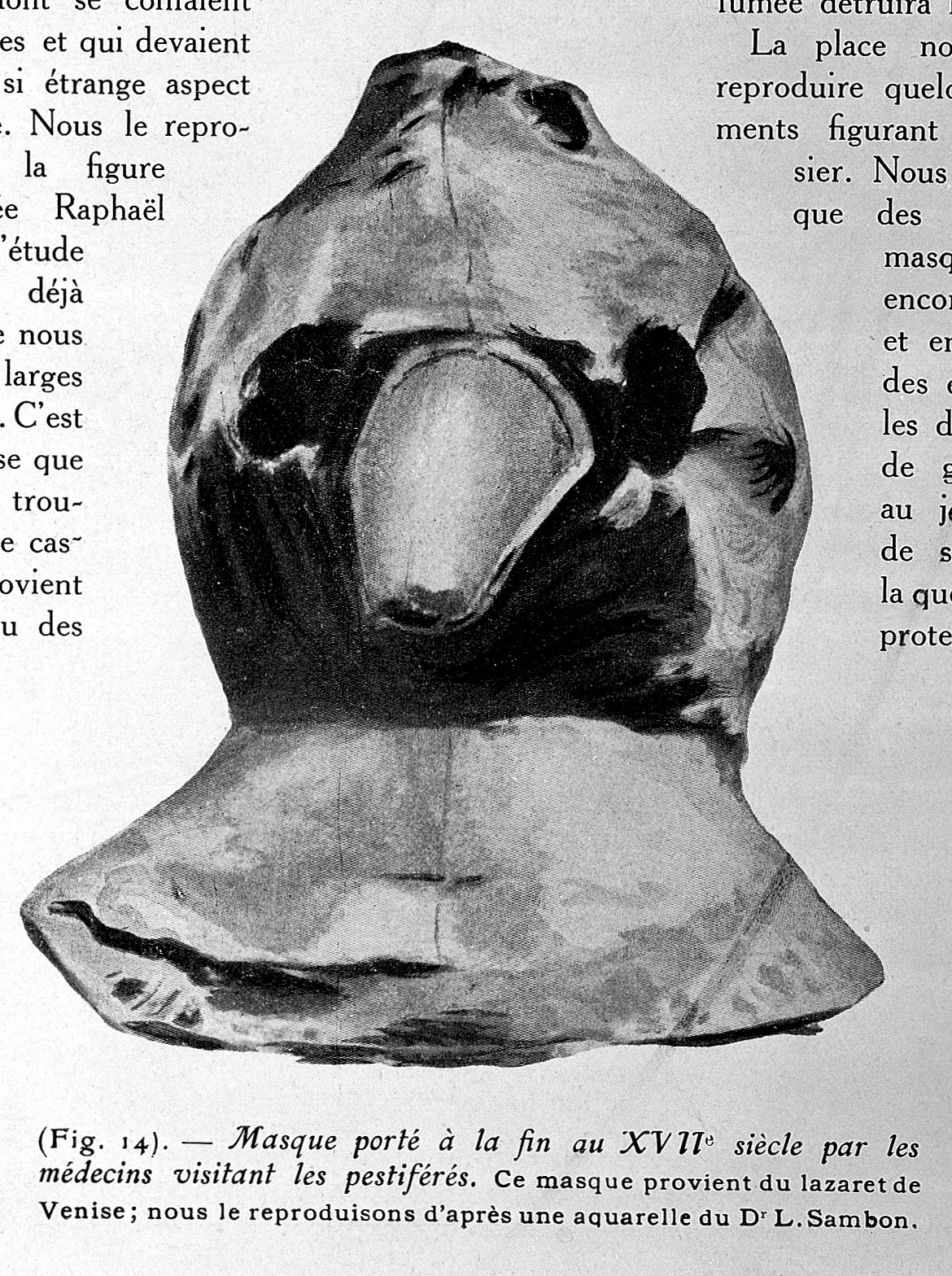
People at the time had no idea what caused the plague. Some blamed bad air. Some blamed the positions of the planets. Some blamed their neighbors, and Jewish communities across Europe were attacked and killed even though they were dying from the plague too. Doctors tried strange treatments, like cutting open buboes or wearing long beak-shaped masks stuffed with herbs. Nothing worked.
The plague changed Europe forever. So many farmers and workers had died that the survivors could demand higher pay. Many peasants left the lands they had been forced to work on. The old system called feudalism, where powerful lords ruled over poor farmers, began to break down. Some historians think the Black Death helped open the door to the Renaissance, the burst of art and learning that came soon after.
The plague never fully went away. It came back in smaller waves for the next 300 years. Today, the bacteria still exist, and a few hundred people around the world catch plague each year. The difference now is that doctors can treat it with antibiotics, and most patients survive. Scientists still debate exactly how the disease spread so fast in the 1300s. Some think rats and fleas alone cannot explain it, and that person-to-person spread played a bigger role than people once believed.
Related
Last updated 2026-04-26