
Mesopotamia
Credit: en:User:Hardnfast · CC BY 3.0
Mesopotamia was an ancient region in southwest Asia, in what is now mostly Iraq. The name comes from two Greek words that mean "between the rivers." Those rivers are the Tigris and the Euphrates. The land between them was rich and good for farming. Many historians call Mesopotamia the "cradle of civilization" because some of the world's first cities, first writing, and first laws were born there, starting more than 5,000 years ago.
People settled in Mesopotamia around 10,000 BCE. The big change came when they learned to farm. The two rivers flooded each spring and left behind soft, dark soil. Farmers grew wheat, barley, dates, and onions. They raised sheep, goats, and cattle. With more food than they needed, people could do other jobs. Some became potters, weavers, builders, or priests. Cities grew where villages had been.
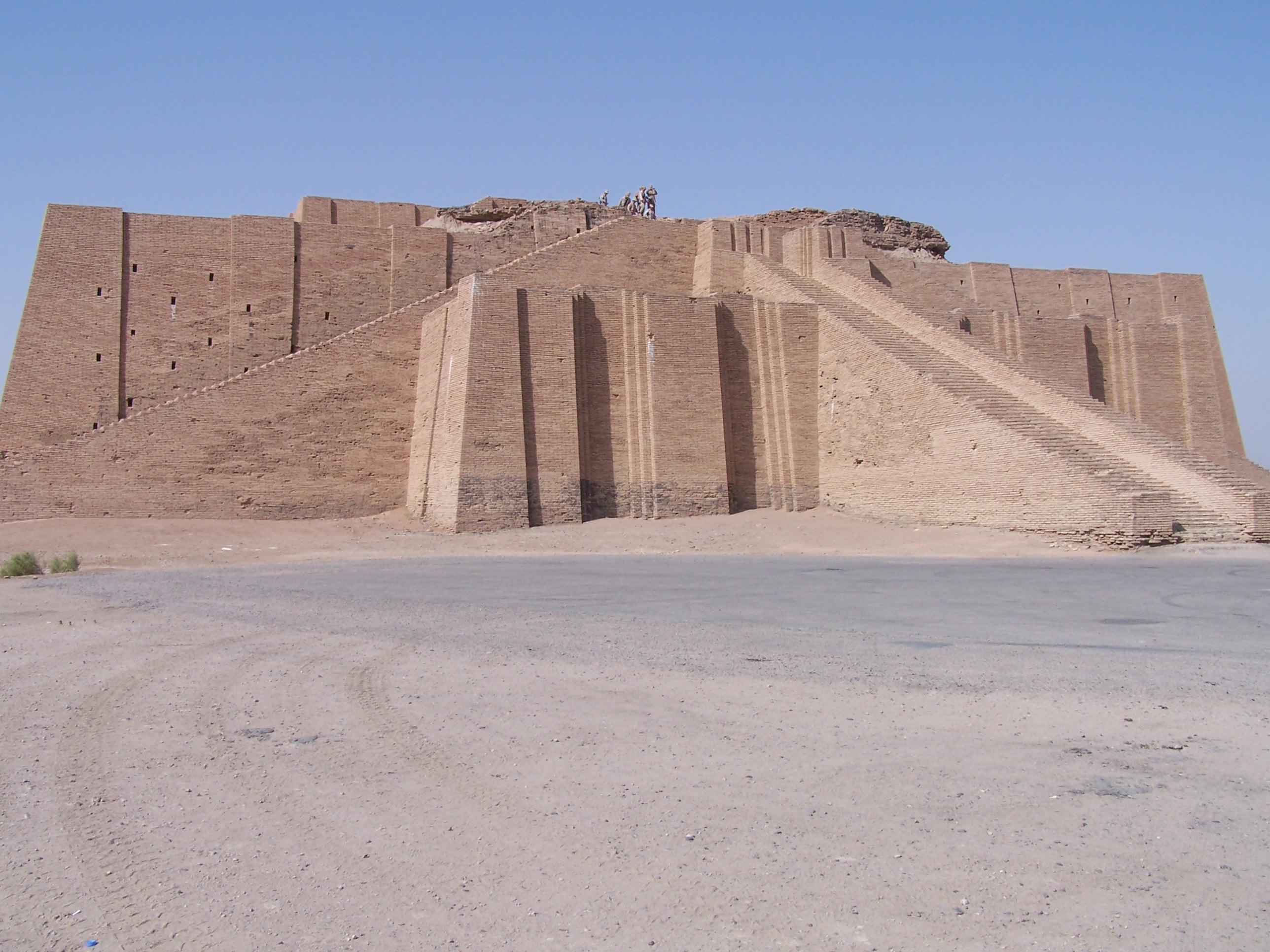
The first cities in human history rose in southern Mesopotamia, in a land called Sumer. Cities like Uruk, Ur, and Eridu had thousands of people, busy markets, and tall mud-brick temples called ziggurats. A ziggurat looked like a giant stepped pyramid. The Sumerians believed gods lived at the top.
Mesopotamians invented writing around 3200 BCE. They pressed marks into wet clay with a sharp reed. This kind of writing is called cuneiform. At first they used it to count sheep and bags of grain. Later they used it to write letters, school lessons, prayers, and stories. The Epic of Gilgamesh, about a hero-king and his search for the secret of life, is the oldest long story we know of.
Mesopotamians also gave the world some ideas we still use today. They divided an hour into 60 minutes and a circle into 360 degrees. They made one of the first written law codes. King Hammurabi of Babylon carved 282 laws onto a tall stone pillar around 1750 BCE. The laws were strict, but they were public, so everyone knew the rules.
Many groups ruled Mesopotamia at different times. The Sumerians came first. Then came the Akkadians, the Babylonians, and the Assyrians. The Assyrians built a feared army with iron weapons and war chariots. Later, the Babylonians built the famous Hanging Gardens, one of the Seven Wonders of the Ancient World, though no one is sure they really existed. Around 539 BCE, the Persian Empire took over the region.
Mesopotamia eventually faded from history, but its inventions never did. Every time you read a book, sign your name, or check the time, you are using ideas that were first worked out in the muddy fields between two rivers.
Related
Last updated 2026-04-26