
Sikhism
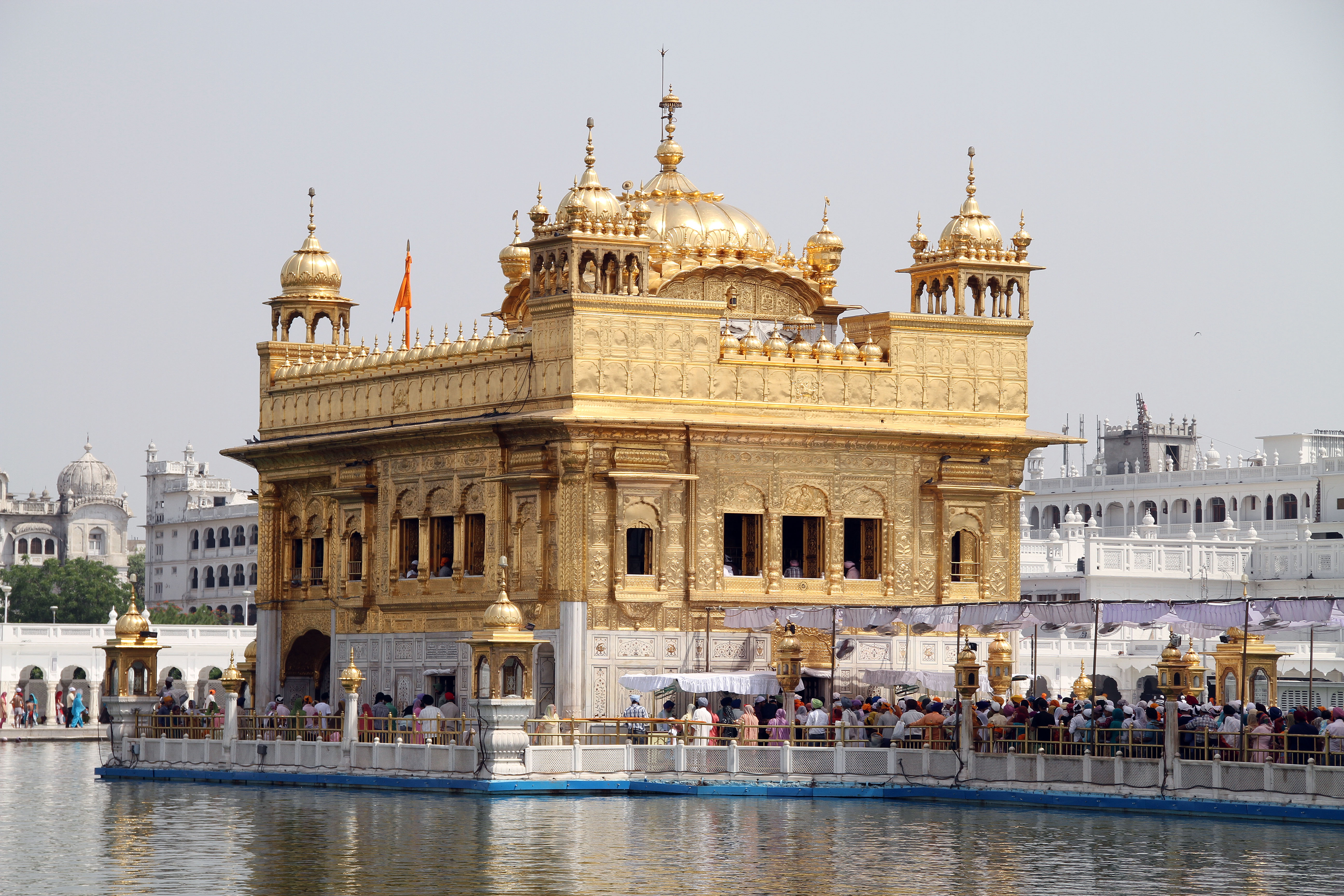
Credit: This picture has been taken by Oleg Yunakov. Contact e-mail: yunakovgmail.com. Image can be used in accordance with the terms of the СС-BY-SA license. Other photos can be seen here. · CC BY-SA 3.0
Sikhism is a religion that began in northern India about 500 years ago. It was started by a teacher named Guru Nanak, who was born in 1469 in a village in what is now Pakistan. Today there are about 25 to 30 million Sikhs around the world. Most live in India, especially in a region called Punjab. Sikhism is the fifth-largest religion on Earth.
Guru Nanak taught that there is only one God, and that God is the same for everyone. He said it did not matter if a person was Hindu, Muslim, rich, poor, male, or female. Everyone was equal before God. This idea was bold at the time, because Indian society was divided into strict groups called castes. Guru Nanak rejected the caste system completely.
After Guru Nanak, nine more teachers, called Gurus, led the Sikh community. Each one added to the religion's teachings. The tenth Guru, Guru Gobind Singh, made a big change in 1699. He created a special group called the Khalsa for Sikhs who promised to live by strict rules of faith and bravery. Members of the Khalsa wear five items, often called the Five Ks. These include uncut hair (kesh), a small comb (kangha), a steel bracelet (kara), a special undergarment (kachera), and a small sword called a kirpan.
This is why many Sikh men wear turbans. The turban covers their long, uncut hair and is a sign of respect, dignity, and faith. Sikh women may also wear turbans or cover their heads.
The holy book of Sikhism is called the Guru Granth Sahib. After the tenth Guru died in 1708, Sikhs treated this book as their final and forever Guru. It contains poems and hymns written by Sikh Gurus and even by some Hindu and Muslim teachers. Sikhs treat the book itself with great respect.
Sikh places of worship are called gurdwaras. The most famous one is the Golden Temple in the city of Amritsar, India. Its upper floors are covered in real gold, and it sits in the middle of a large pool of water. Every gurdwara has a free kitchen called a langar, where anyone of any religion can come and eat a free meal. Visitors sit on the floor together to show that everyone is equal.
Sikhs are taught to work hard, share what they have with others, and remember God in everything they do.
Related
Last updated 2026-04-26