
Hinduism
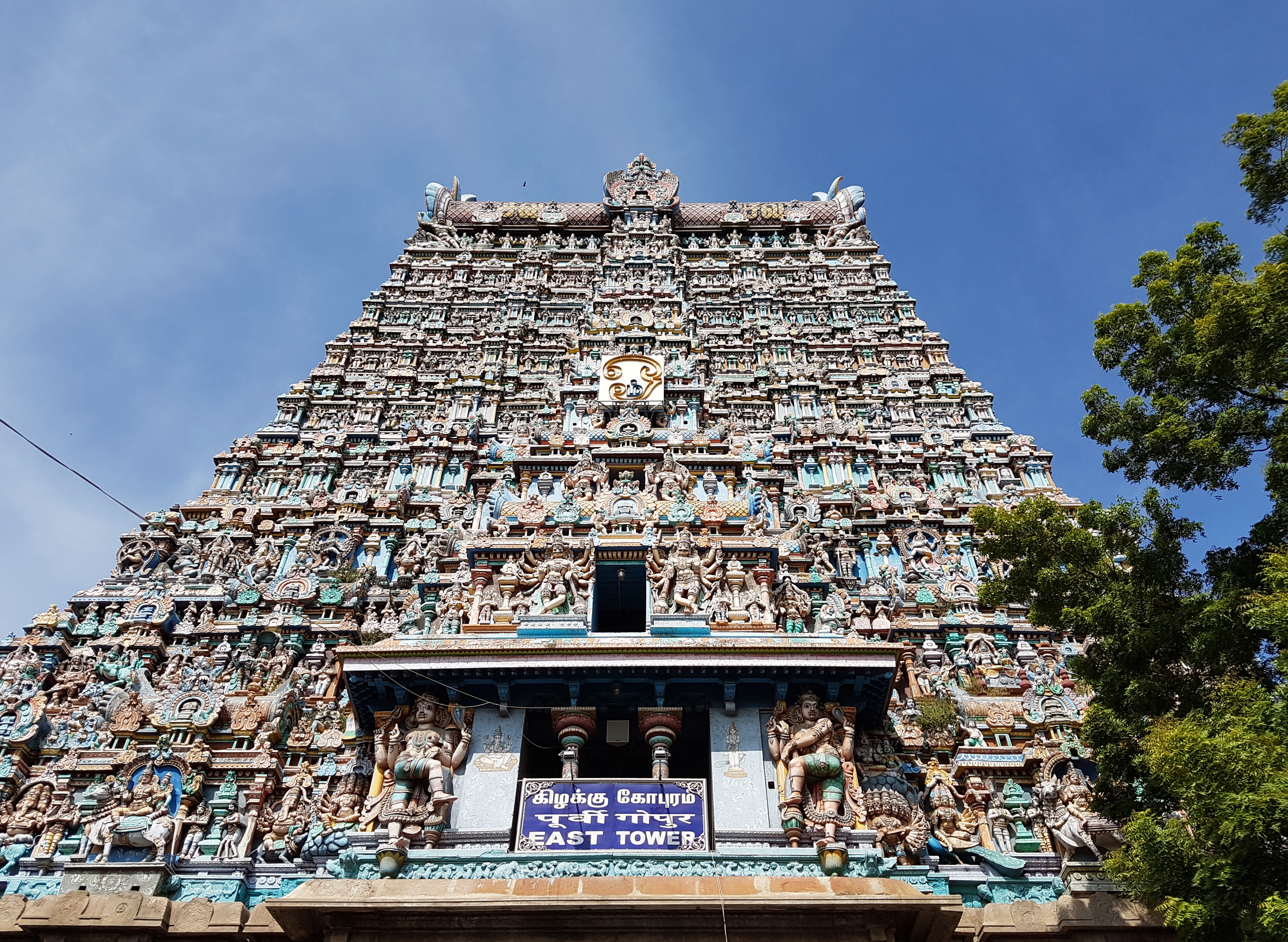
Credit: Richard Mortel from Riyadh, Saudi Arabia · CC BY 2.0
Hinduism is one of the world's oldest living religions. It began in India more than 4,000 years ago and is still the main religion there today. About 1.2 billion people around the world follow Hinduism. That makes it the third largest religion, after Christianity and Islam. Most Hindus live in India, Nepal, and other parts of South Asia, but Hindu communities live on every continent.
One religion or many?
Hinduism is hard to describe in a single sentence. Unlike most other major religions, it has no single founder, no single holy book, and no one set of rules everyone follows. It grew slowly, over thousands of years, as many older traditions in India blended together. Some scholars even say Hinduism is more like a family of related religions than one religion. Hindus themselves often call it Sanatana Dharma, which means "the eternal way."
Many gods, one truth
Hindus worship many gods and goddesses. Some popular ones include Brahma the creator, Vishnu the protector, and Shiva the destroyer and renewer. Vishnu is said to come to Earth in different forms called avatars. Two of the most loved are Rama and Krishna. Goddesses are also very important. Lakshmi brings wealth and good fortune. Saraswati is the goddess of learning and music. Durga and Kali are powerful warrior goddesses.
With so many gods, you might think Hinduism is about worshipping many different beings. But most Hindus believe all these gods are different faces of one great spirit called Brahman. Brahman is everywhere and in everything. The many gods are ways for people to connect with that one truth in a way they can understand.
Sacred books
Hinduism does not have one main holy book like the Bible or the Quran. Instead, it has many sacred texts written over thousands of years. The oldest are the Vedas, which were composed in an ancient language called Sanskrit more than 3,000 years ago. The Upanishads explore deep questions about the soul and the universe. Two long poems, the Ramayana and the Mahabharata, tell stories of heroes, gods, and right and wrong. The Bhagavad Gita is part of the Mahabharata and is one of the most loved Hindu books today.
Karma and rebirth
Two ideas are central to most Hindu thought. The first is karma. Karma means that every action has a result. Good actions bring good results, and harmful actions bring harmful ones, sometimes in this life and sometimes later. The second idea is reincarnation, the belief that the soul does not die when the body dies. Instead, the soul is reborn into a new body. This cycle of birth, death, and rebirth is called samsara.
The goal of many Hindus is to break free from this cycle and join with Brahman. That release is called moksha. Hindus seek moksha through prayer, good actions, study, meditation, and devotion to a chosen god.
Worship and daily life
Hindu worship happens in temples and at home. Most Hindu families have a small shrine in their house with pictures or statues of their favorite gods. Every day, people may light a small lamp, offer flowers or fruit, and say prayers. Temples can be huge stone buildings with carvings of hundreds of figures. Priests there perform ceremonies, ring bells, and chant in Sanskrit.
Many Hindus do not eat beef, because cows are considered sacred. Some are full vegetarians. Yoga, which millions of people practice around the world today, began as part of Hindu spiritual training. So did meditation, the practice of quieting the mind.
Festivals
Hindu festivals are colorful and joyful. Diwali, the festival of lights, is the most famous. Families light rows of small lamps, set off fireworks, and share sweets to celebrate the victory of light over darkness. Holi, the festival of colors, is held in spring. People throw bright colored powders at each other in the streets. Other major festivals honor specific gods, like Ganesh Chaturthi for the elephant-headed god Ganesha.
A long story still being written
Hindu thinkers have argued for thousands of years about big questions. What is the soul? Are the gods truly separate, or all one? How should people live? Different Hindu traditions answer these questions in different ways, and that is allowed. Hinduism has always made room for many paths. For Hindus, asking the questions is part of the eternal way itself.
Related
Last updated 2026-04-26