
Ice Age
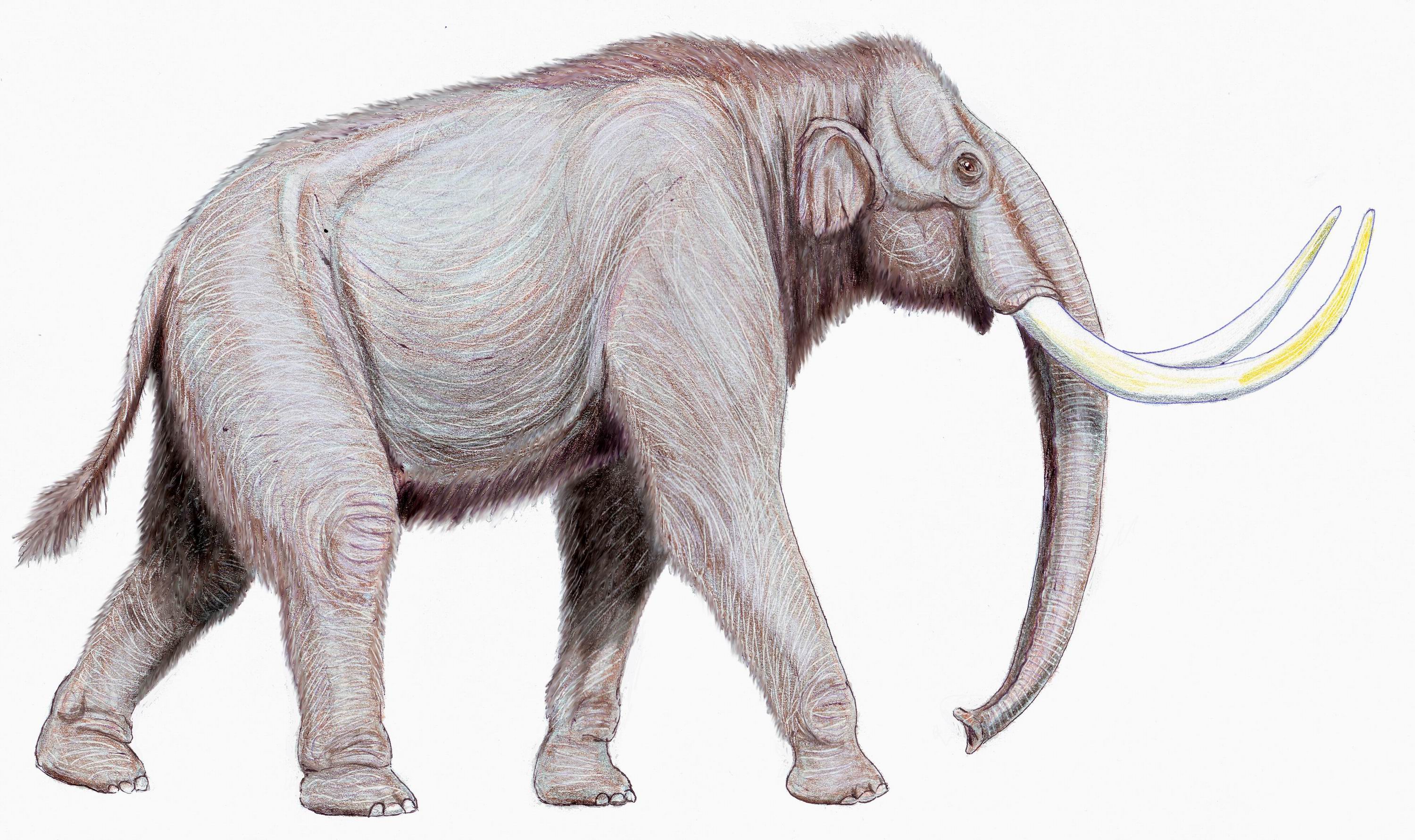
Credit: Creator:Dmitry Bogdanov · CC BY 3.0
An ice age is a long period when Earth's temperature drops and huge sheets of ice cover large parts of the planet. Ice ages last for millions of years. During an ice age, glaciers spread out from the poles and from high mountains. They cover land that is usually green or brown.
Earth has had at least five major ice ages in its history. The earliest one we know about happened about 2.4 billion years ago. Some scientists think the whole planet froze over during parts of an ice age long ago. They call that idea "Snowball Earth."
We are actually still living in an ice age right now. It started about 2.6 million years ago. Greenland and Antarctica are still covered in thick ice sheets, and that counts. Inside a long ice age, there are colder stretches called glacial periods and warmer stretches called interglacial periods. We are in a warm stretch right now.
The last glacial period ended about 11,700 years ago. When people say "the Ice Age," they usually mean that time. Ice covered most of Canada, the northern United States, and northern Europe. The ice was up to two miles thick in places. That is taller than seven Empire State Buildings stacked on top of each other.
Many strange animals lived during the last glacial period. Woolly mammoths, saber-toothed cats, giant ground sloths, cave bears, and woolly rhinos all roamed the cold grasslands. Most of these big animals went extinct as the ice melted. Scientists still argue about why. Some blame the warming climate. Others blame human hunters, who were spreading across the world at the same time. The answer is probably both.
What causes ice ages? The main reason is small changes in Earth's orbit and tilt. Over tens of thousands of years, Earth wobbles and shifts in its path around the Sun. These changes alter how much sunlight hits different parts of the planet. A scientist named Milutin Milankovitch worked this out in the early 1900s. The pattern is now called Milankovitch cycles.
Ice ages also shaped the land we see today. Glaciers carved out the Great Lakes, the fjords of Norway, and many U-shaped valleys. They dragged huge boulders hundreds of miles and dropped them in random fields. Farmers in New England still pull these "glacial erratics" out of their soil.
The next glacial period would normally arrive in tens of thousands of years. Many scientists think human-caused warming may delay it.
Related
Last updated 2026-04-25