
Salt
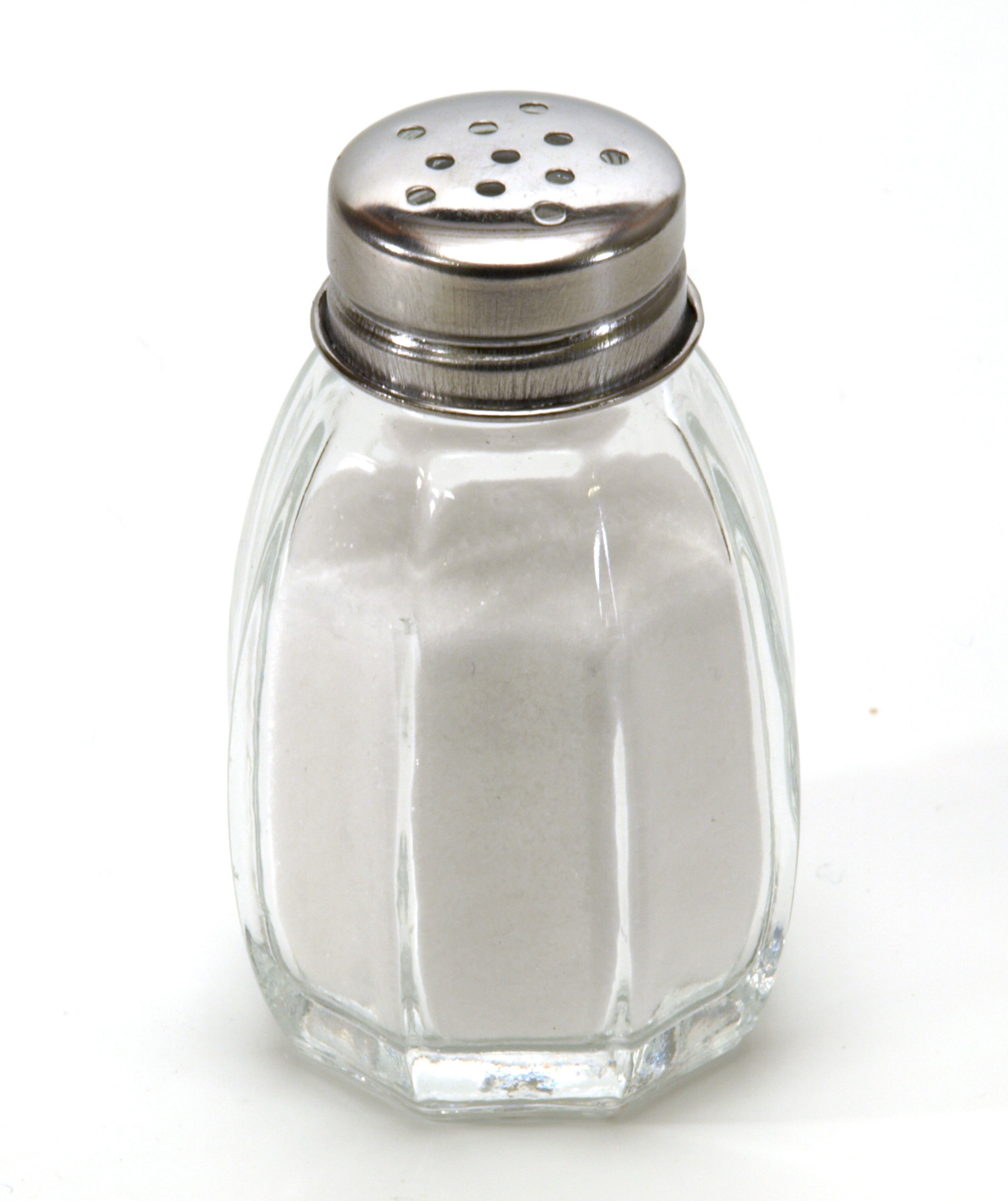
Credit: Dubravko Sorić SoraZG on Flickr · CC BY 2.0
Salt is a chemical that forms when certain metals join with certain non-metals. The salt you sprinkle on food is one specific kind, called sodium chloride. It is made of two elements: sodium, a soft silver metal, and chlorine, a yellow-green gas. On their own, both are dangerous. Pure sodium explodes in water, and chlorine is poisonous. But when they bond together, they make the white crystals in your salt shaker.
If you look at table salt through a microscope, you will see tiny cubes. That cube shape is not a coincidence. Inside each grain, sodium and chlorine atoms line up in a neat pattern, stacked in rows like boxes in a warehouse. This pattern is called a crystal. Every grain of table salt, no matter how small, is built from the same cube-shaped design.
Salt is everywhere on Earth. The oceans hold about 50 quadrillion tons of it. If you spread all that salt evenly across the land, it would form a layer more than 500 feet deep, taller than a 40-story building. Salt also sits underground in huge deposits left behind by ancient seas that dried up millions of years ago. People mine it from these deposits, collect it from salty lakes, and make it by letting seawater evaporate in shallow pools.
Your body needs salt to work. Your nerves use sodium to send signals, including the ones that tell your heart to beat. Your muscles need it to move. Without any salt at all, a person would die. But too much salt is also a problem. It can raise blood pressure and hurt the heart over time. Most doctors say adults should eat less than one teaspoon of salt a day.
Salt has shaped human history for thousands of years. Before refrigerators, it was the main way people kept food from rotting. Meat, fish, and vegetables were packed in salt so they could be stored for months. This made salt extremely valuable. Cities were built near salt mines. Wars were fought over salt trade routes. In 1930, Mahatma Gandhi led a famous 240-mile march in India to protest a British tax on salt.
Salt does other useful jobs too. It melts ice on winter roads by lowering the temperature at which water freezes. It helps bread rise the right way by slowing down yeast. It pulls water out of pickles and cheese. A plain white chemical, sitting in a shaker on your table, connects your food to the ocean, your body, and thousands of years of history.
Related
Last updated 2026-04-23