
Car (Automobile)
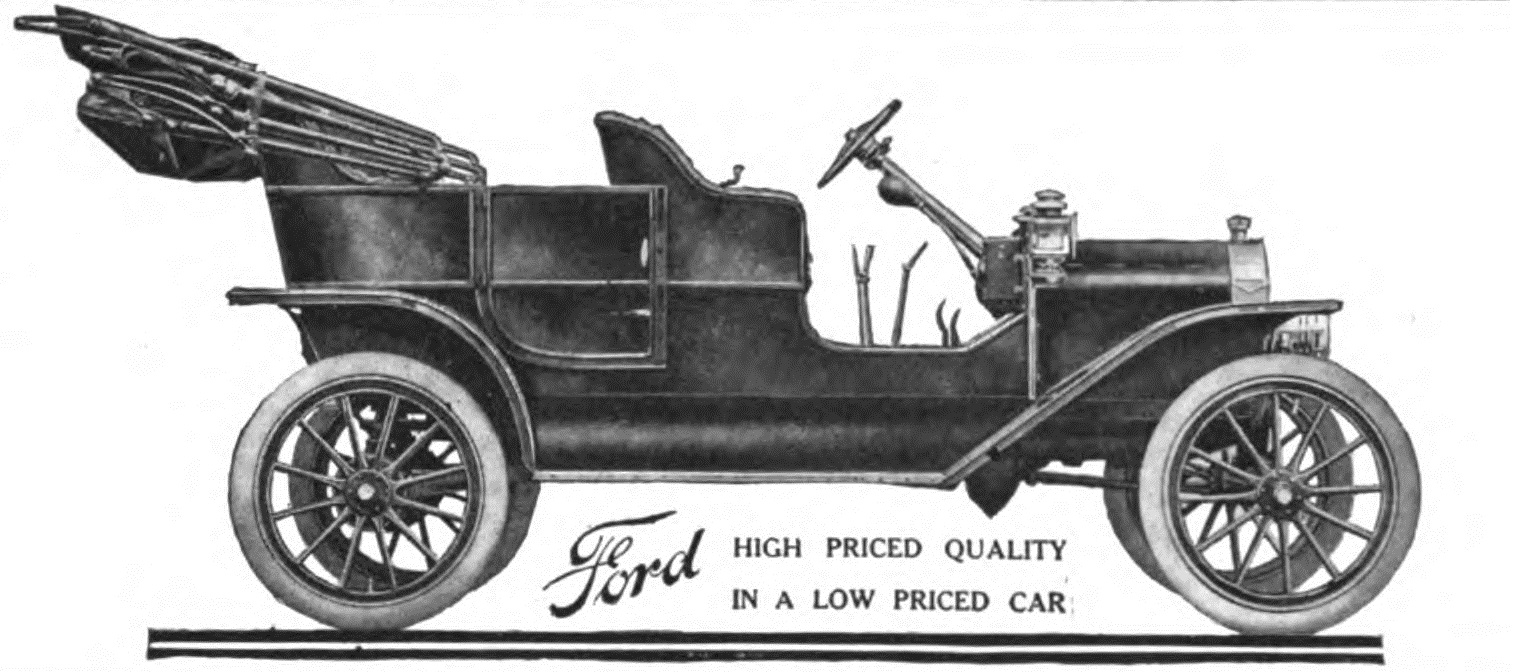
Credit: User Rmhermen on en.wikipedia · Public domain
A car is a motor vehicle with four wheels that carries people on roads. The word "automobile" comes from Greek and Latin roots that mean "self-moving." Cars are the most common way people get around in much of the world. They run on engines powered by gasoline, diesel, electricity, or a mix of fuel and batteries.
The first true car was built in Germany in 1886 by an engineer named Karl Benz. It had three wheels and a small gasoline engine, and it could go about 10 miles per hour. His wife, Bertha Benz, made the car famous. In 1888, she drove 66 miles to visit her mother. It was the first long road trip in history, and she had to stop at pharmacies along the way to buy fuel.
For many years, cars were expensive toys for rich people. That changed in 1908, when an American named Henry Ford started building the Model T. Ford used a moving assembly line, where workers stayed in one spot and the car came to them on a belt. This made cars much cheaper and faster to build. By the 1920s, millions of regular families could afford one.
A modern car is a complex machine. The engine burns fuel or uses a battery to spin the wheels. The brakes use friction to stop the car. The steering wheel turns the front tires left or right. Mirrors, lights, seat belts, and airbags help keep people safe. A typical car has more than 30,000 separate parts.
Cars changed the world in big ways. Cities spread out, because people could live far from where they worked. Suburbs, highways, drive-thru restaurants, and shopping malls all grew up around the car. But cars also brought problems. Car crashes kill more than a million people worldwide each year. Burning gasoline puts carbon dioxide into the air, which is one of the main causes of climate change.
Today, the car is changing again. Electric cars, which run on batteries instead of gasoline, are becoming common. They produce no exhaust from a tailpipe. Engineers are also testing self-driving cars, which use cameras, sensors, and computers to steer themselves. These cars can already drive on some streets, but they still make mistakes. Experts argue about how safe they really are and how soon they will be ready for everyone.
There are about 1.5 billion cars in the world. Whatever powers them next, the basic idea, four wheels rolling people from one place to another, has been hard to beat for almost 140 years.
Related
Last updated 2026-04-25