
End of Apartheid
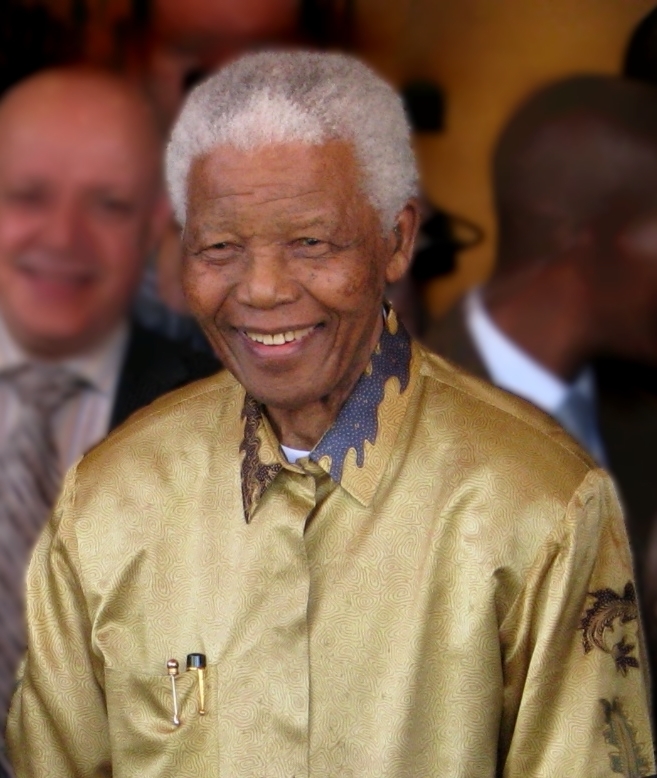
Credit: South Africa The Good News · CC BY 2.0
The end of apartheid was the fall of South Africa's system of strict racial separation. Apartheid means "apartness" in Afrikaans, one of South Africa's languages. The system began in 1948 and ended in the early 1990s. Under apartheid, the white minority government separated people by race and gave white South Africans almost all the power. Black South Africans, who made up most of the population, were treated as second-class citizens in their own country.
Apartheid laws controlled almost every part of life. Black families were forced to live in poor townships far from white neighborhoods. They had to carry pass books to enter white areas. Schools, hospitals, beaches, and even park benches were divided by race. Black South Africans could not vote in national elections. Marriages between people of different races were against the law.
People resisted from the start. The African National Congress, or ANC, led much of the protest. In 1960, police in the town of Sharpeville opened fire on a peaceful crowd and killed 69 people. The government banned the ANC, and one of its leaders, Nelson Mandela, was sent to prison in 1962. He stayed there for 27 years.
The world slowly turned against apartheid. Many countries refused to trade with South Africa. South African teams were banned from the Olympics. Musicians refused to perform there. Companies pulled their money out. These actions, called sanctions, hurt the South African economy badly through the 1980s.
By 1989, the government knew the system could not last. A new president, F. W. de Klerk, made a stunning announcement in February 1990. He unbanned the ANC and other groups. Nine days later, Nelson Mandela walked out of prison a free man. Cameras around the world showed him raising his fist as crowds cheered.
What came next surprised many people. Mandela and de Klerk chose to talk instead of fight. They worked together for four years to plan a new South Africa. The two shared the Nobel Peace Prize in 1993. In April 1994, South Africa held its first election where every adult could vote. Black South Africans waited in lines that stretched for miles, some for the first vote of their lives. Mandela won and became the country's first Black president.
Apartheid did not end cleanly. Poverty, unequal land ownership, and racial tensions still shape South Africa today. But the peaceful change shocked a world that had expected civil war. Historians call it one of the most surprising political turns of the twentieth century, a country choosing forgiveness when revenge seemed certain.
Related
Last updated 2026-04-26