
Allergy
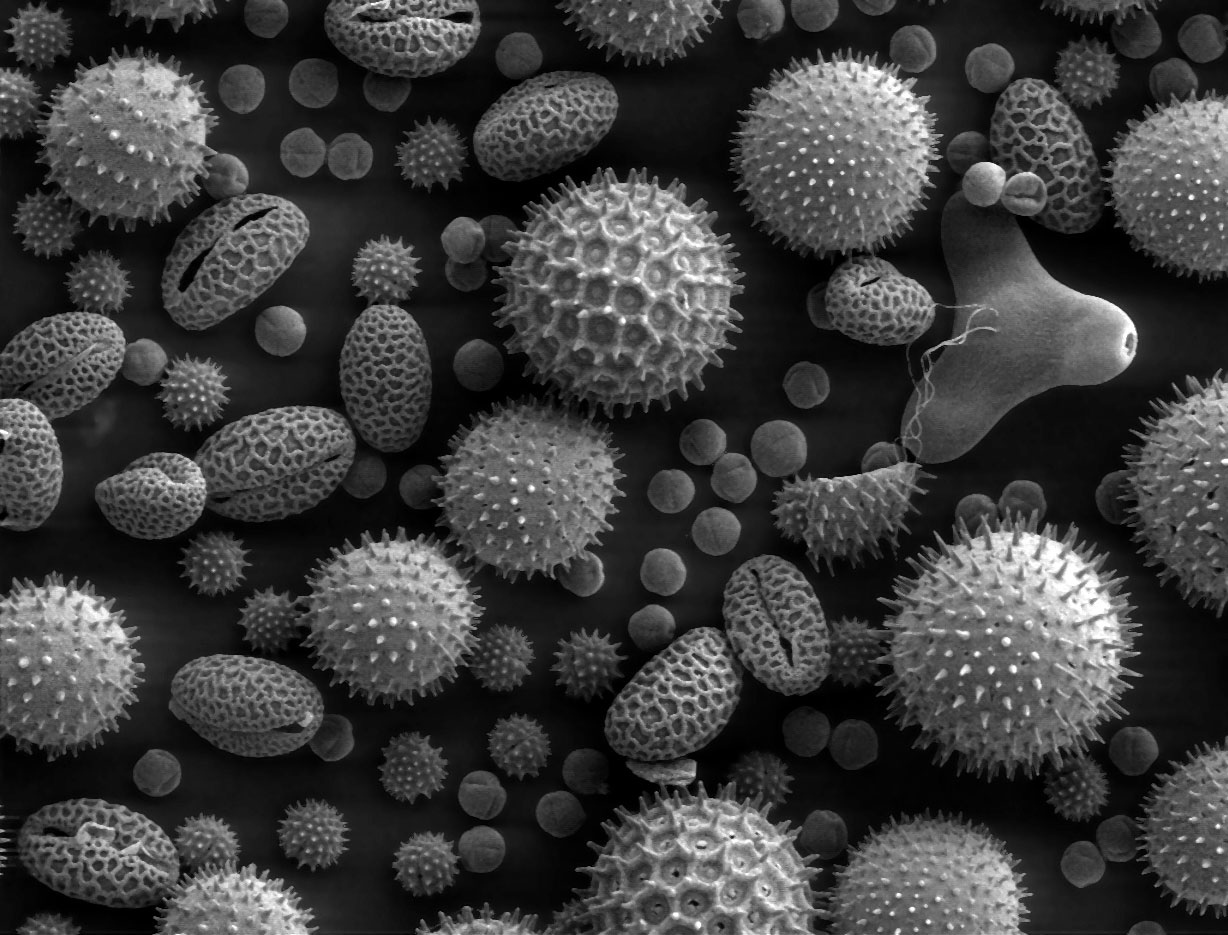
Credit: Dartmouth College Electron Microscope Facility · Public domain
An allergy is a mistake made by the immune system. The immune system is your body's defense team. Its job is to attack germs that could make you sick. But sometimes it attacks something harmless instead, like a peanut or a piece of pollen. When that happens, the body reacts as if it is under attack. The reaction is what we call an allergy.
Lots of things can trigger allergies. The most common ones are pollen from trees and grass, dust, mold, animal fur, bee stings, and certain foods. The eight most common food allergies are milk, eggs, peanuts, tree nuts, soy, wheat, fish, and shellfish. Even tiny amounts of these foods can cause a reaction in someone who is allergic.
When the body meets a trigger, special cells release a chemical called histamine. Histamine causes most of the symptoms people notice. The nose runs. The eyes water and itch. The skin breaks out in red bumps called hives. Some people sneeze. Others cough or wheeze. Allergy medicines called antihistamines work by blocking this chemical, which is how they got their name.
Most allergies are annoying but not dangerous. A few can be life-threatening. The worst kind of reaction is called anaphylaxis. The throat swells, breathing gets hard, and blood pressure drops. Anaphylaxis can kill a person in minutes if it is not treated. The treatment is a shot of medicine called epinephrine. Many kids with serious food allergies carry a special pen, called an EpiPen, that can give the shot quickly.
Why do some people get allergies and others do not? Scientists are still working on the answer. Genes matter, since allergies often run in families. The environment matters too. One idea, called the hygiene hypothesis, suggests that very clean modern homes give the immune system too little to do, so it picks the wrong fights. Other researchers think the answer is more complicated than that. The debate is still open.
Allergies are becoming more common, especially in kids. Doctors are not sure why. The good news is that there are more ways to treat them than ever before. Daily pills can calm seasonal allergies. Doctors can give shots over months or years that slowly teach the body not to react. For some peanut allergies, a treatment now exists where kids eat tiny, growing amounts of peanut to build up tolerance. Allergies are still a mystery in many ways, but the tools to live with them keep getting better.
Related
Last updated 2026-04-25