
Baby (Infancy)
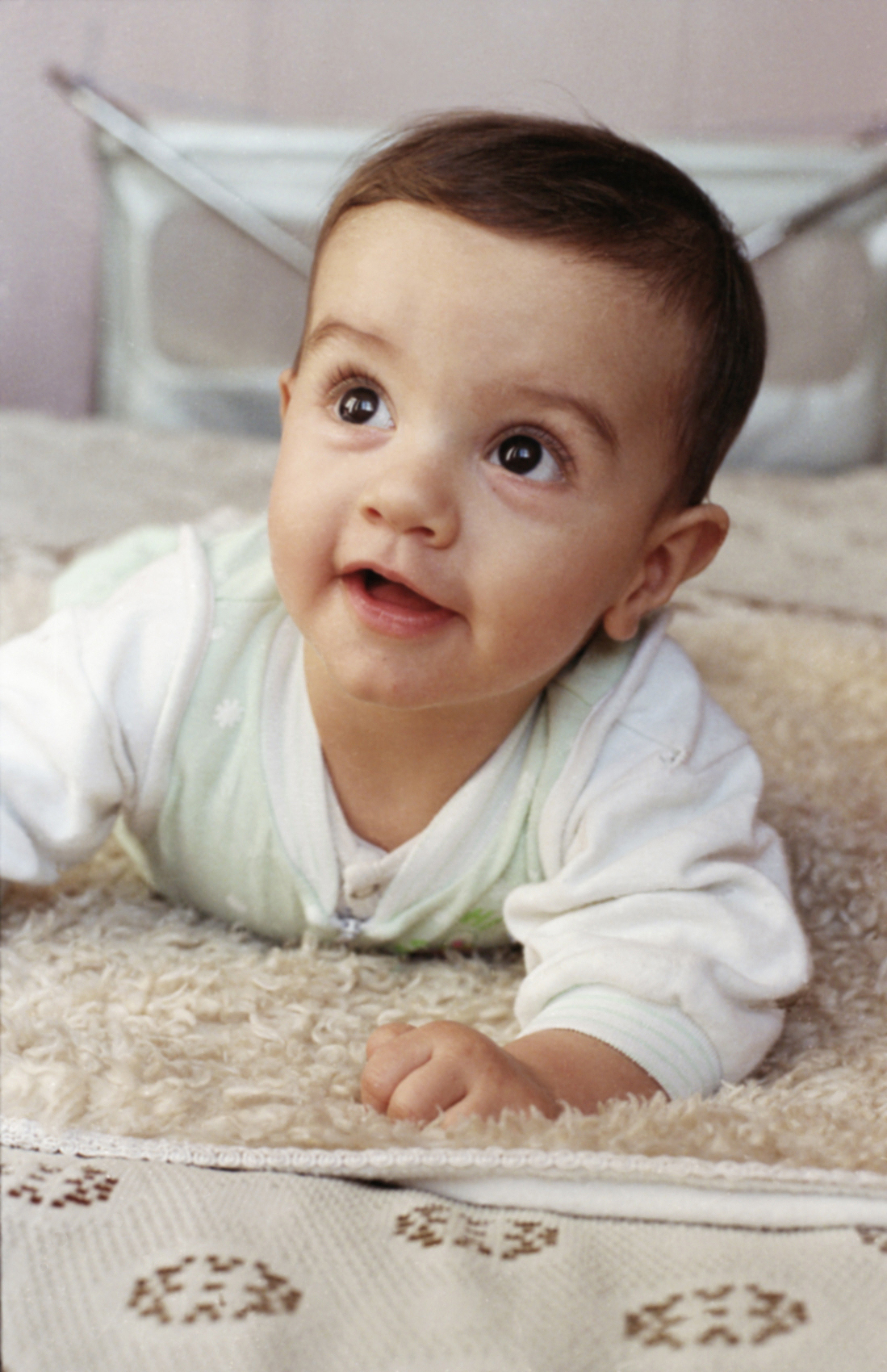
Credit: Mehregan Javanmard · CC BY 2.5
A baby is a very young human in the first stage of life after birth. The word "infancy" usually means the time from birth until about one year old. During this short stretch of time, a baby grows and changes faster than at any other point in life. By the end of the first year, most babies have tripled their birth weight.
A newborn baby is small and not very strong. Most babies in the United States weigh between 6 and 9 pounds at birth, about the same as a small bag of flour. They cannot hold up their own heads, sit up, or focus their eyes on faraway things. For the first few months, a baby's world is mostly close-up: faces, voices, and the warm arms of the people caring for them.
Babies sleep a lot. A newborn sleeps about 16 hours a day, though rarely for long stretches. They wake every few hours because their tiny stomachs need food often. Babies drink only milk for the first months of life, either from their mother or from a bottle. Around six months, most babies start trying soft foods.
The biggest changes happen inside the brain. A baby is born with about 100 billion brain cells, almost as many as an adult. But the connections between those cells are still being built. Every sound, face, song, and game helps wire the brain. By age one, a baby's brain has roughly doubled in size.
Babies also reach a list of "firsts" called milestones. Around two months, most babies smile on purpose. Around six months, they can sit up. Around nine months, many start crawling. Around one year, many take their first wobbly steps and say their first real word, often "mama" or "dada." Every baby reaches these milestones at their own pace, and a few months earlier or later is normal.
One thing surprises many people: babies are born with reflexes they will lose later. Touch a newborn's palm and the tiny fingers curl tight around yours. Hold a newborn upright with feet touching a flat surface and the legs make stepping motions, even though the baby cannot really walk. These automatic moves fade after a few months.
Babies cannot speak, but they communicate constantly. Crying, cooing, gurgling, and staring are all ways of saying something. Long before words come, a baby is already learning what love, comfort, and trust feel like.
Related
Last updated 2026-04-25