
Abolition of Slavery
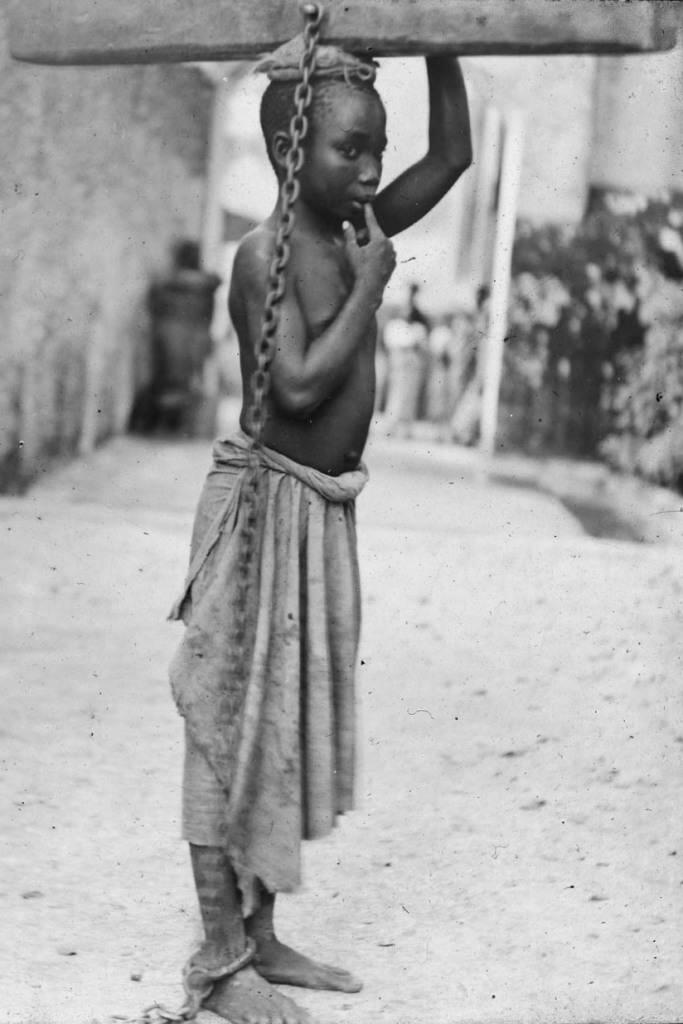
Credit: Unknown photographer · Public domain
The abolition of slavery was the long, slow ending of a system that allowed some people to own other people as property. The word "abolish" means to get rid of something. Slavery had existed in many parts of the world for thousands of years. Ending it took hundreds of years of work by enslaved people, writers, lawmakers, and protesters. Most countries had banned slavery by the end of the 1800s, though it took even longer in some places.
Slavery was not new. Ancient Egypt, ancient Rome, and many African and Asian kingdoms held enslaved people. But starting in the 1500s, a much larger system grew across the Atlantic Ocean. European countries shipped millions of African people to the Americas to work on sugar, cotton, and tobacco farms. About 12.5 million people were forced onto these ships over more than 300 years. Around 2 million died during the cruel ocean journey.
The push to end slavery is called the abolitionist movement. Enslaved people themselves led the fight. Some escaped. Some revolted. In 1791, enslaved people in the French colony of Haiti rose up and won. After 13 years of fighting, Haiti became the first country in the Americas to ban slavery for good.
Other countries followed, slowly. Britain banned the slave trade in 1807 and freed enslaved people in its colonies in 1834. The United States banned slavery in 1865, after the Civil War, with the Thirteenth Amendment to the Constitution. Brazil was the last country in the Americas to end it, in 1888. By that point, more than four million Brazilians had been enslaved.
Many people helped lead this change. Frederick Douglass, who had escaped slavery, gave powerful speeches across the United States and Europe. Harriet Tubman led people north through the Underground Railroad. William Wilberforce spent decades pushing the British Parliament to act. Sojourner Truth spoke for both Black Americans and women. Quakers were among the first religious groups to call slavery a sin.
Ending slavery on paper did not end its harm. Former slave owners often kept their land and wealth, while freed people received nothing. In the United States, new laws called Black Codes and later Jim Crow laws kept Black Americans poor and unequal for another hundred years. Similar patterns appeared in other countries.
Slavery is now illegal everywhere on Earth. But the United Nations estimates that around 50 million people today still live in something called modern slavery, including forced labor and forced marriage. The work the abolitionists started is not finished yet.
Related
Last updated 2026-04-26